Base colors
Effects
- Skin: dark grey or grey-ish brown
- Horns and hooves: dark grey or grey-ish brown [Horn & hoof color guide]
- Eye color: brown [Eye color guide]
Appearance
Chestnut should be an even shade of brown, and the mane and tail should have the same color as the base coat. While chestnut can have a rather wide range of different brown shades available, a plain chestnut horse should never appear diluted if no dilutions are present in the genotype, it should be brown. It should also not be dark enough to be mistaken for black.
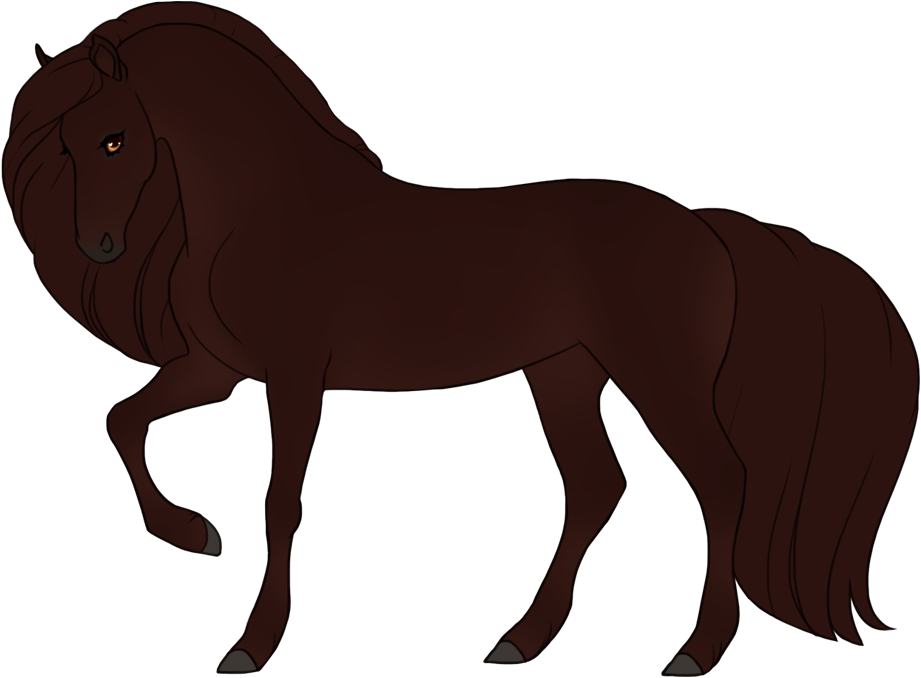
Liver chestnut
chestnut
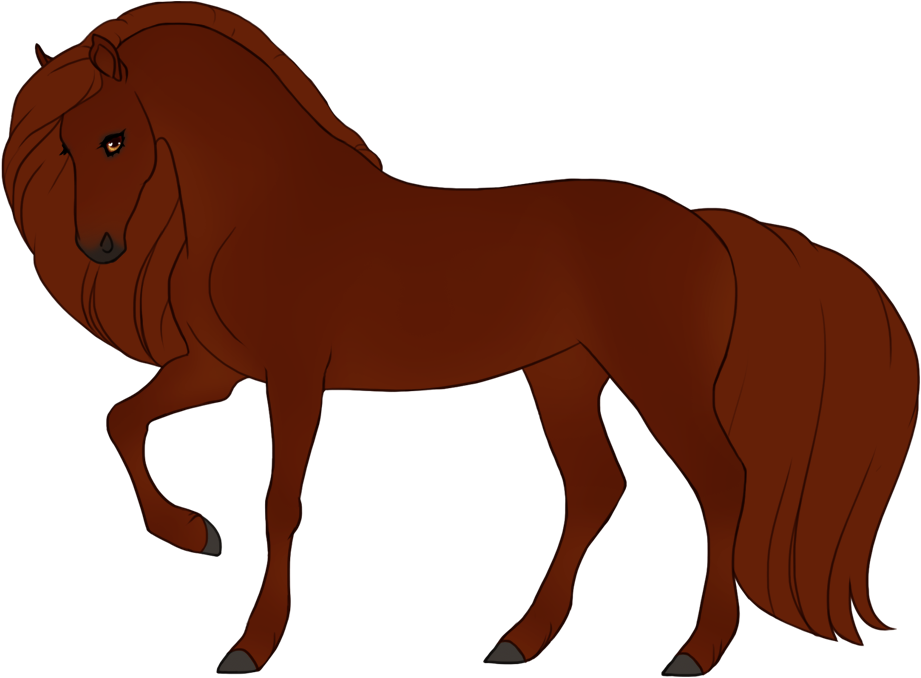
Red chestnut
chestnut
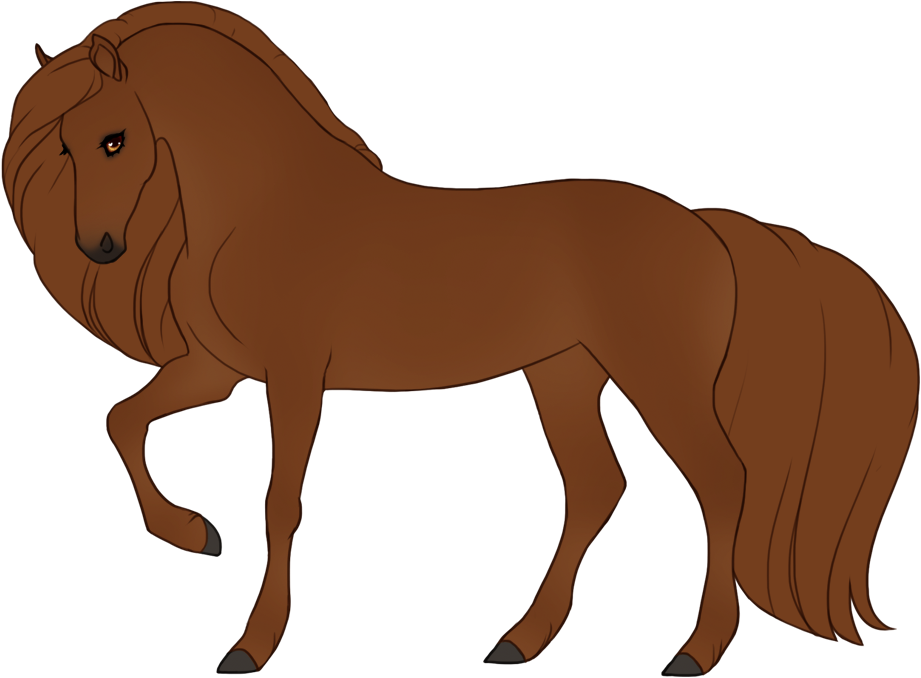
Light chestnut
chestnut
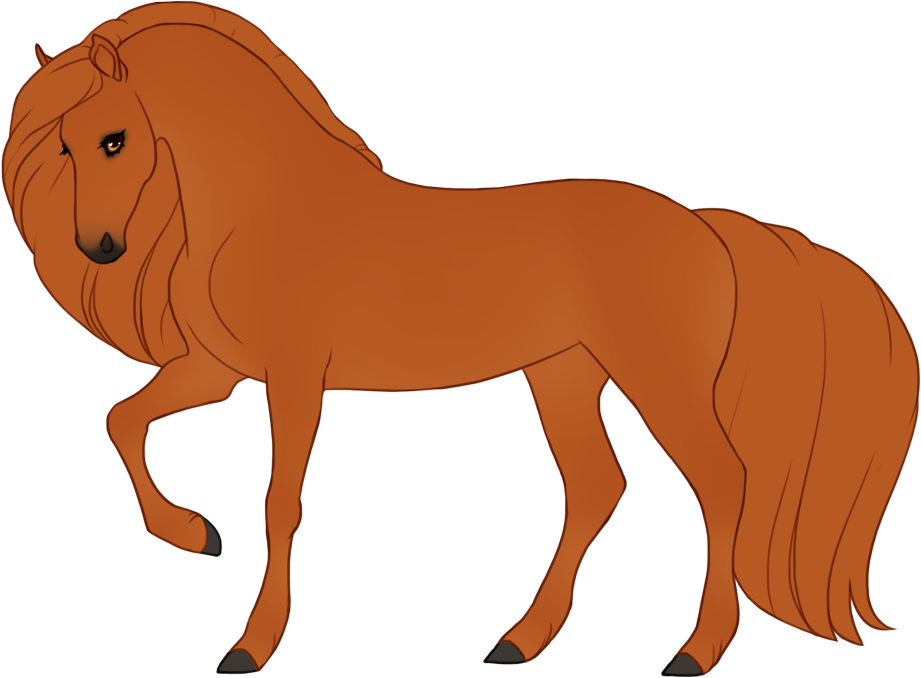
Sorrel chestnut
chestnut
Black
E_ aa
Effects
- Skin: dark grey or black
- Horns and hooves: dark grey or grey-ish brown [Horn & hoof color guide]
- Eye color: brown [Eye color guide]
Appearance
Black should always be an even shade of black, and the mane and tail should have the same color as the base coat. Minimal and subtle countershading is allowed on a plain black as long as it doesn't appear to mimic pangare or any other modifier/dilute. If no dilutions or modifiers are present then black should always just appear as a simple black.
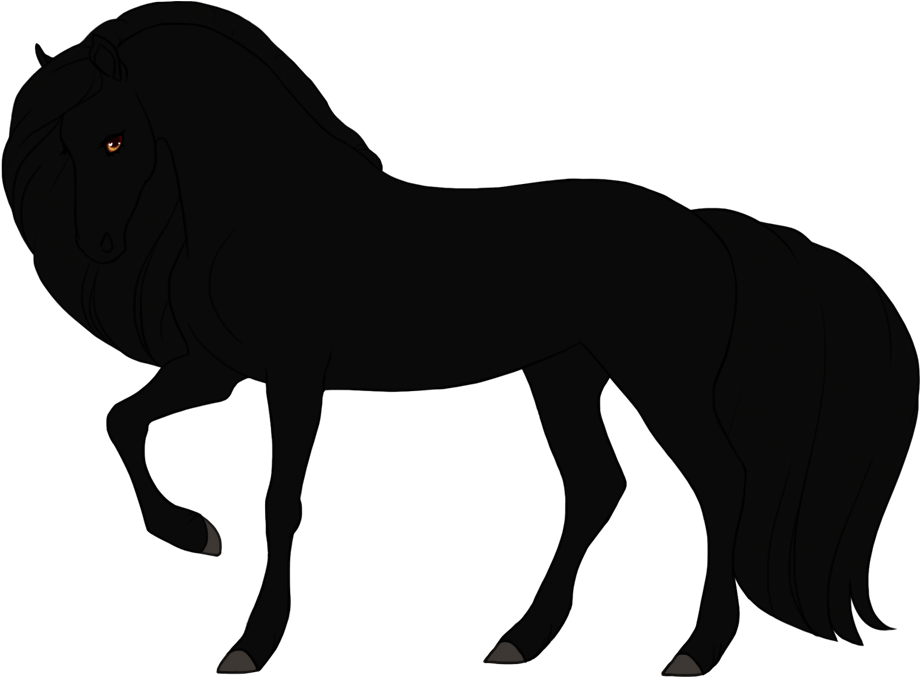
Pure black
black
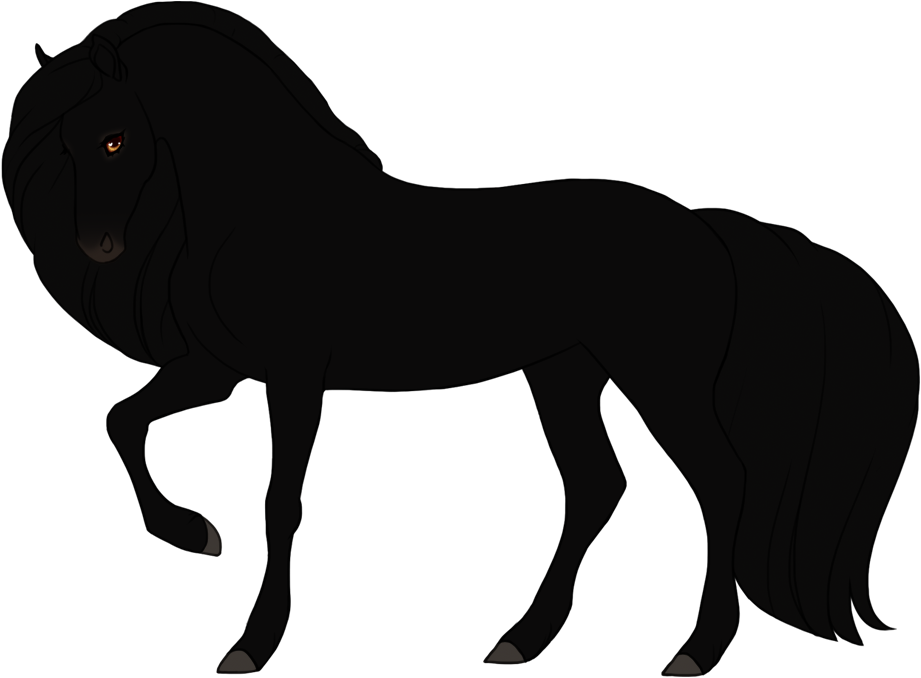
Black with grey/brown skin
black
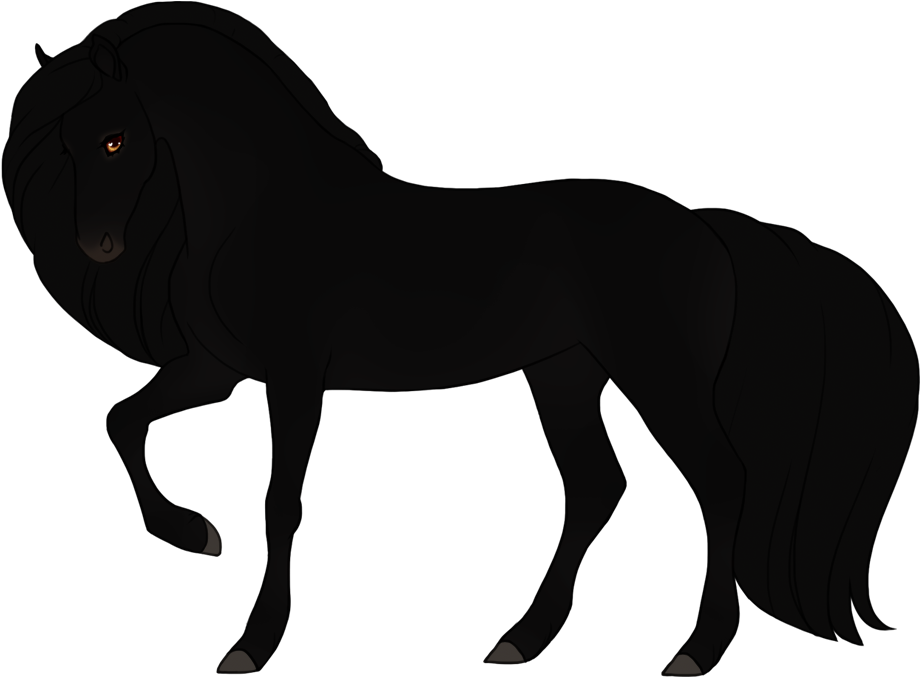
Black with subtle countershading
black
Effects
- Skin: dark grey or black
- Horns and hooves: dark grey or grey-ish brown [Horn & hoof color guide]
- Eye color: brown [Eye color guide]
Black point expression
Bay only shows on black-based (EE or Ee) coats.
It restricts the black pigment to the mane, tail, legs and the rims of the ears.
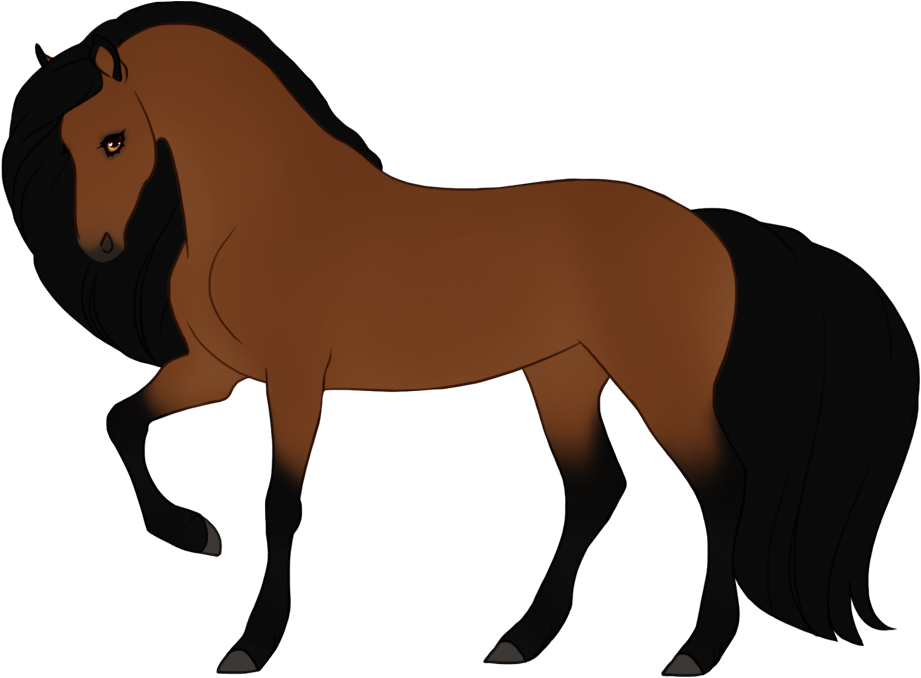
As a minimal expression, the black pigment should start from the pasterns and hocks/knees (also called "wild bay"), and can as a maximal expression affect the entirety of the legs. On a maximal expression the transition between the black and the brown should be a soft gradient, not a hard line.
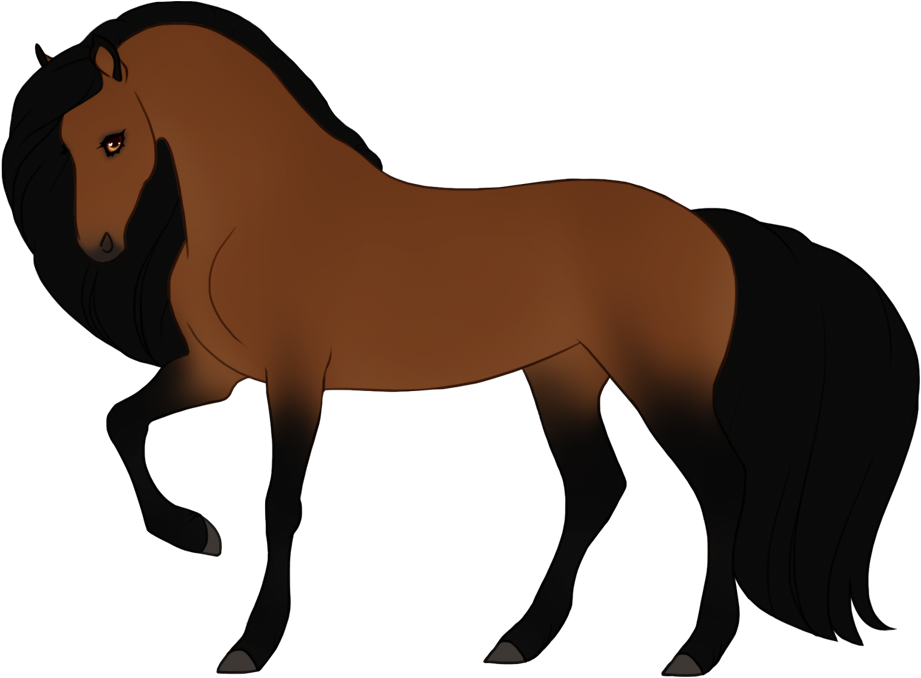
"Charred bay" - maximal point expression
bay
Bay
bay
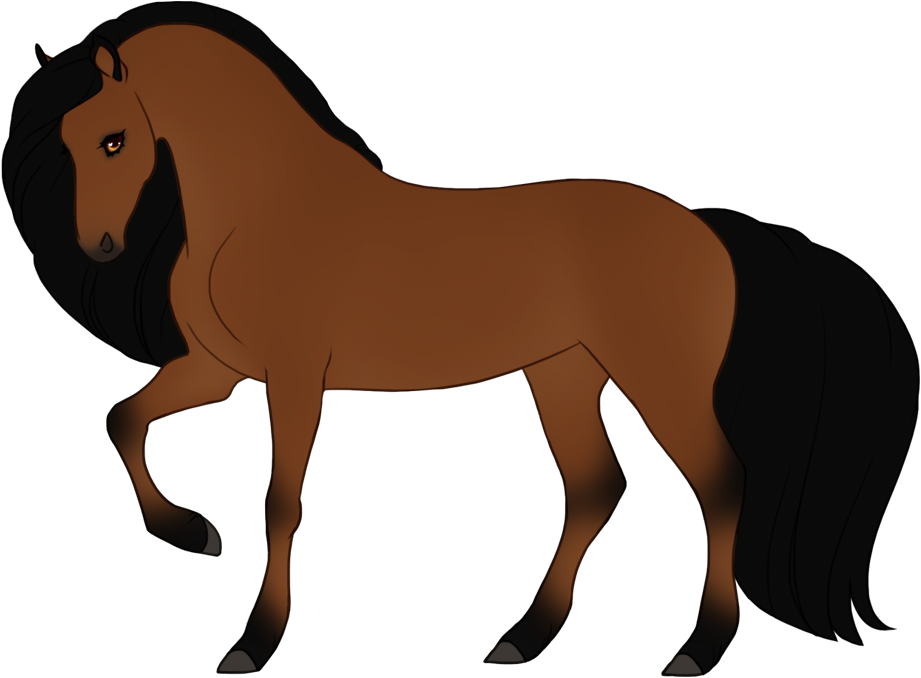
"Wild bay" - minimal point expression
bay
Color variations
The brown areas of bay can be any shade that chestnut is allowed to be. The black points should still be plain black.
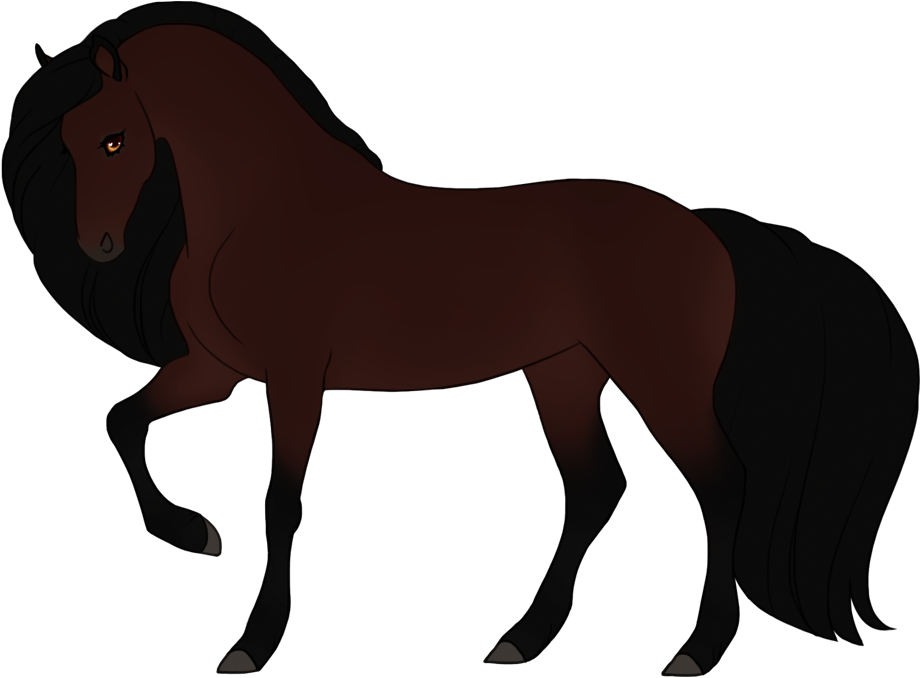
Dark bay
bay
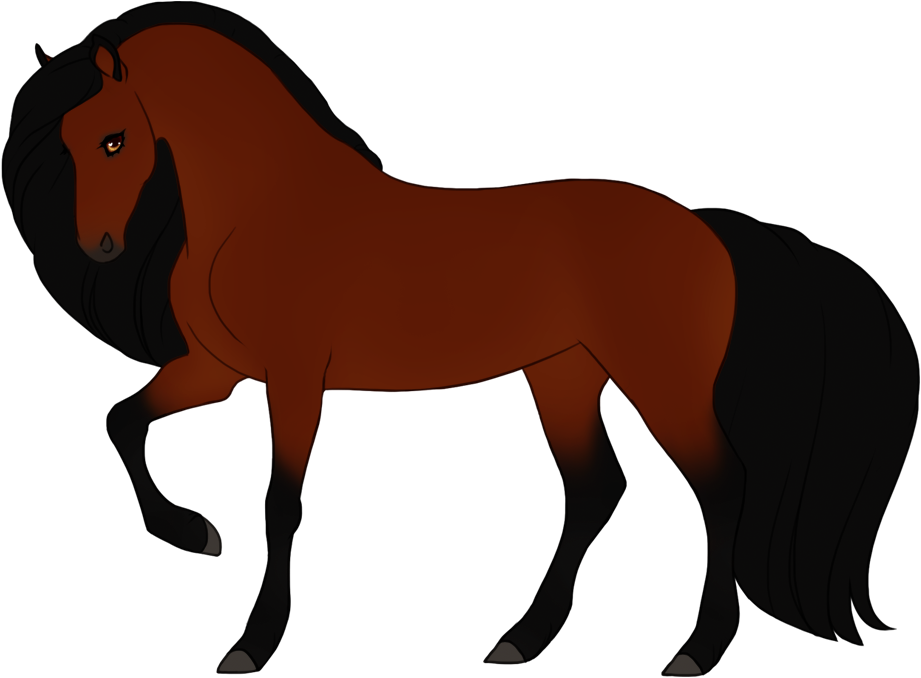
Red bay
bay
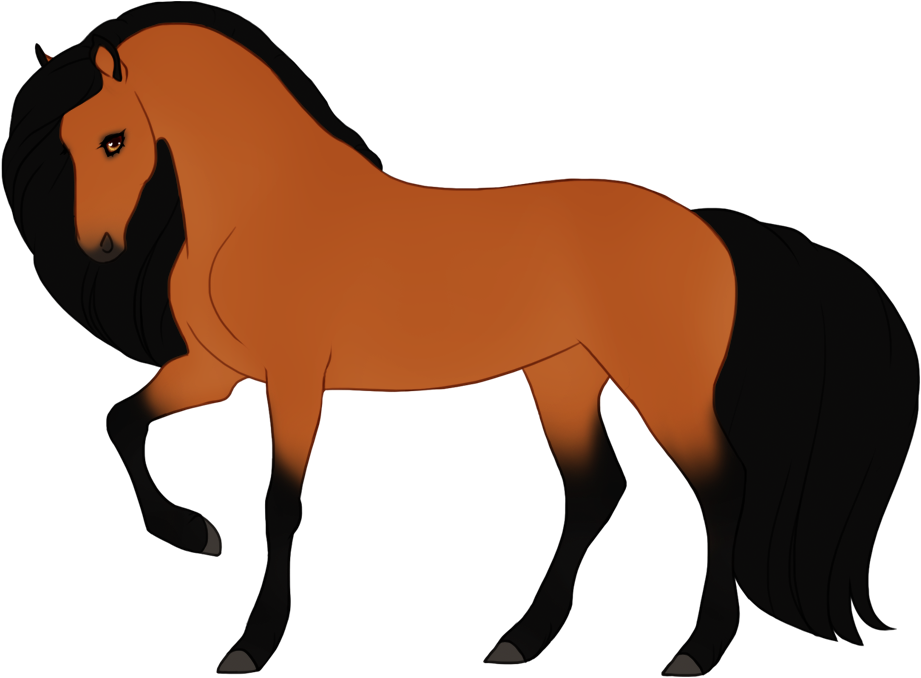
Light bay
bay
Effects
- Skin: dark grey or black
- Horns and hooves: dark grey or grey-ish brown [Horn & hoof color guide]
- Eye color: brown [Eye color guide]
Black point expression
Seal bay only shows on black-based (EE or Ee) coats. It is also recessive to bay (A), making it a less common bay variation.
It restricts the red pigment to the muzzle, eyes, and flanks.
The black point expression will always minimally affect the legs, and gradually darken the rest of the body generally starting from the topline.
Just like with regular bay, the brown areas of seal bay can be any shade that chestnut is allowed to be. The black points should still be plain black.
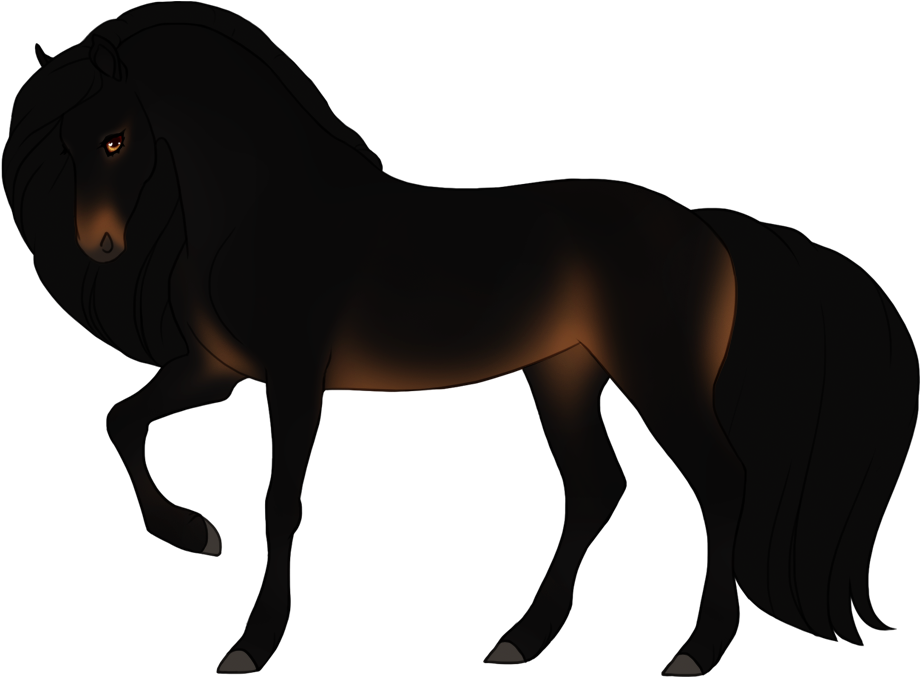
Maximal seal expression
seal bay
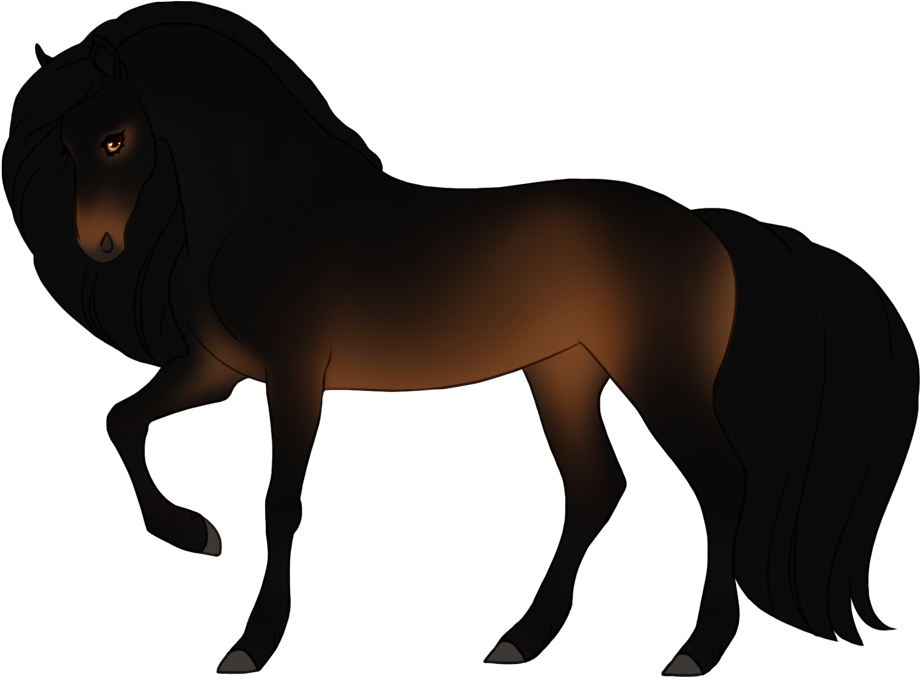
Seal bay
seal bay
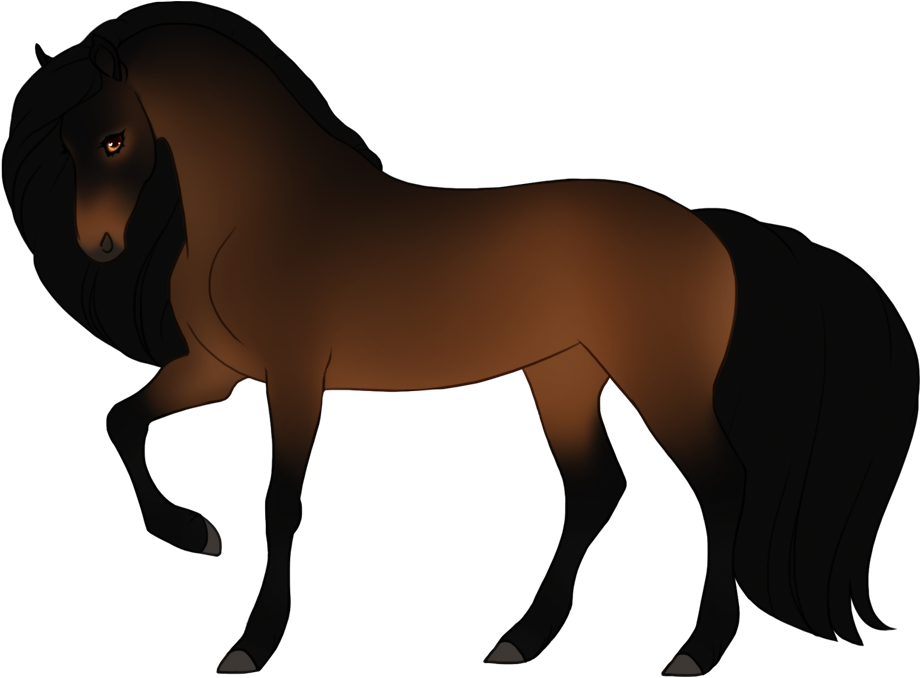
Minimal seal expression
seal bay
Effects
- Skin: dark grey or black
- Horns and hooves: dark grey or grey-ish brown [Horn & hoof color guide]
- Eye color: brown [Eye color guide]
Black point expression
Tanpoint only shows on black-based (EE or Ee) coats. Additionally, the tanpoint agouti (Ap) is recessive to both bay (A) and seal (At), making it the rarest bay variation.
It mimics the appearance of tan point dogs, causing the red pigment to be restricted to the lower legs, muzzle/cheeks, and spots above the eyes. Optionally also the inside of the ears, the area around the flank/hip, and the front of the shoulder(chest).
The black point expression will always minimally start at the topline of the horse and "creep" down along the sides, always leaving the throat, belly/underside, and inside of the legs the last areas to be affected.
Just like with regular bay, the brown areas of tanpoint bay can be any shade that chestnut is allowed to be. The black points should still be plain black.
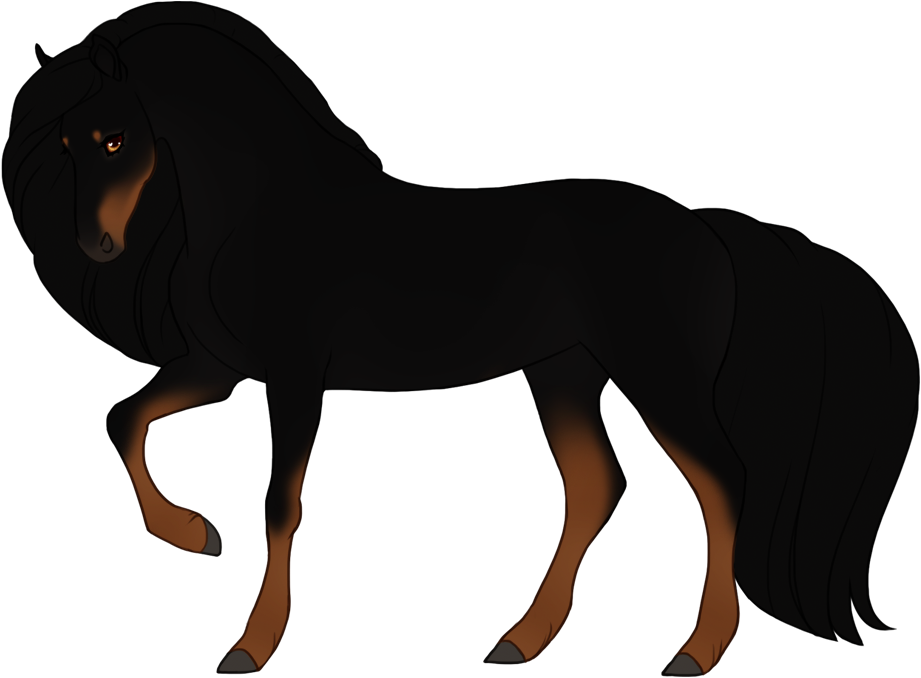
Maximal tanpoint expression
tanpoint bay
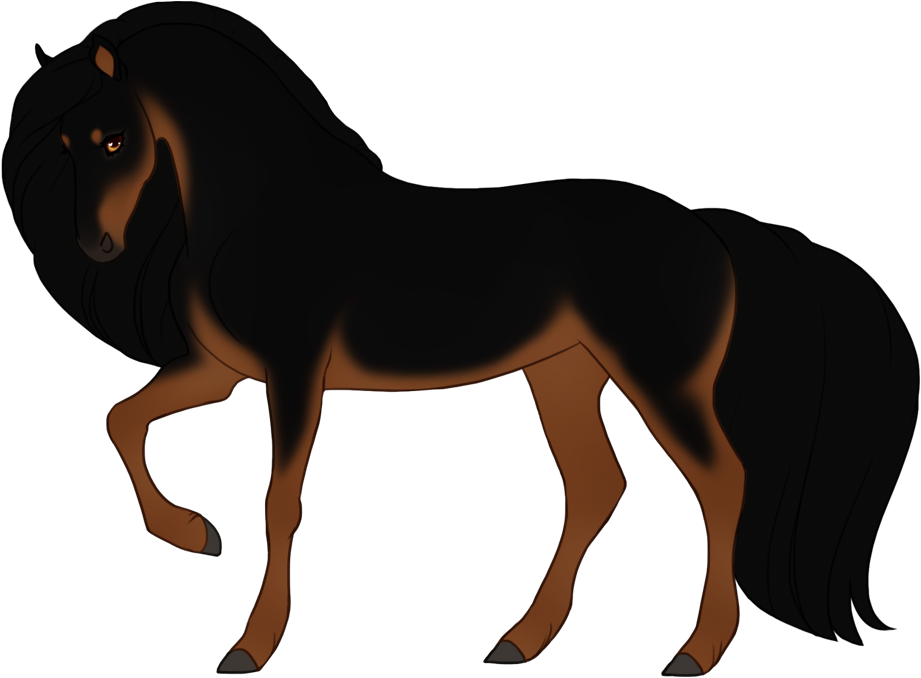
Tanpoint bay
tanpoint bay
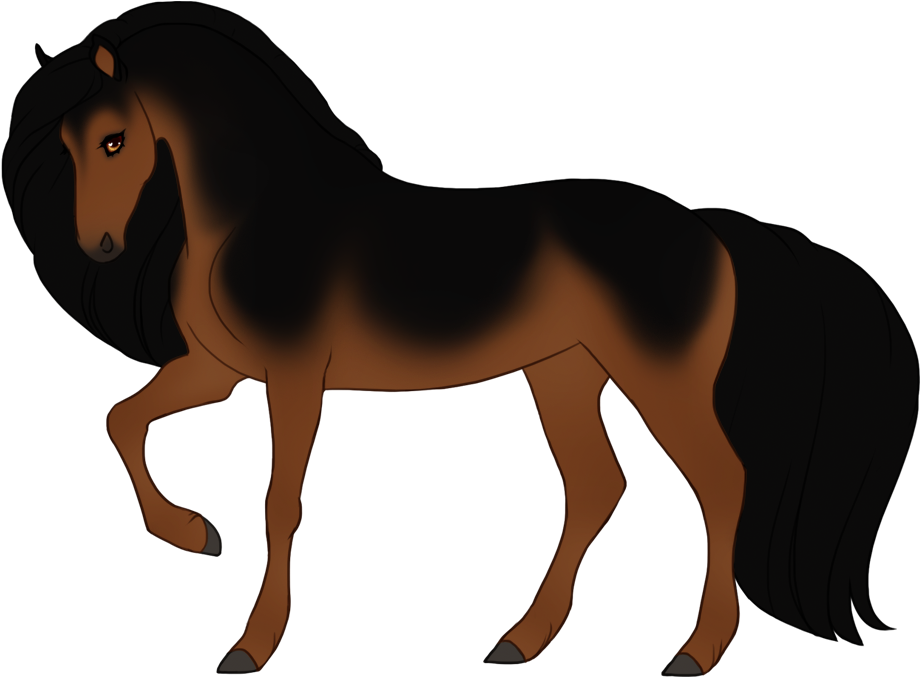
Minimal tanpoint expression
tanpoint bay
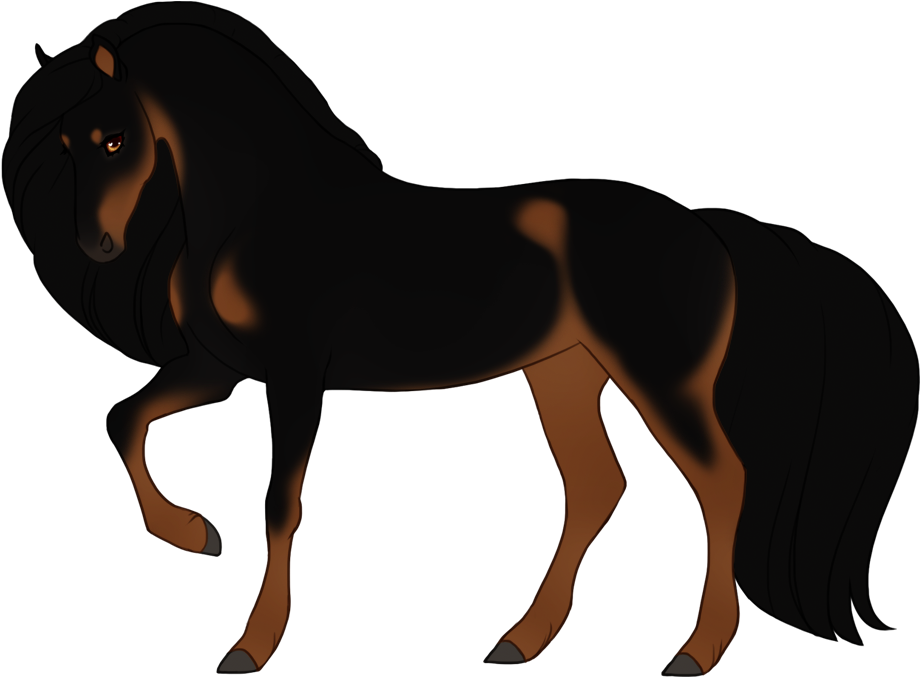
Tanpoint with chest and hip expression
tanpoint bay