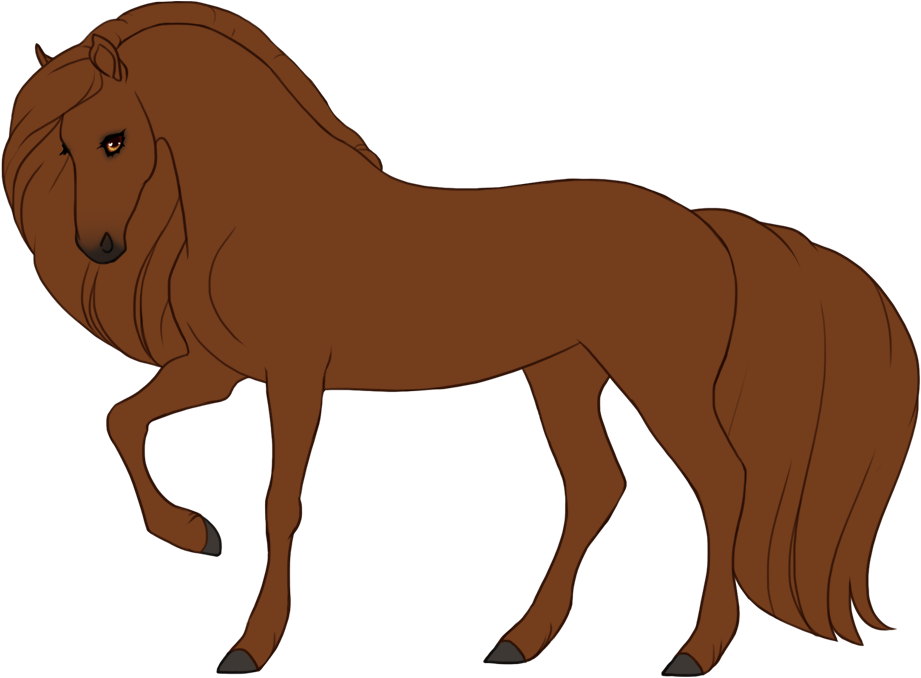
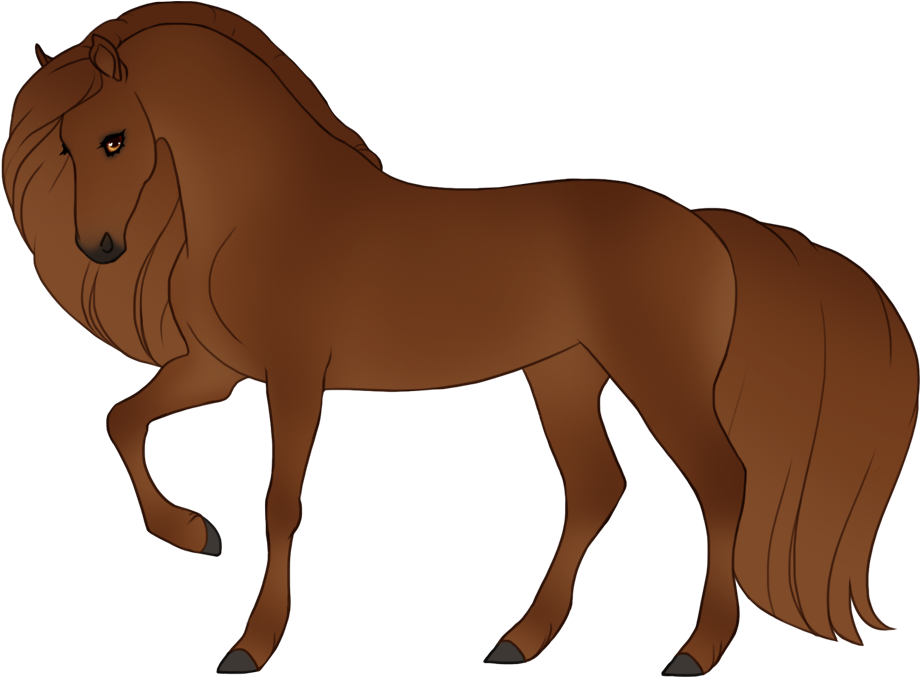
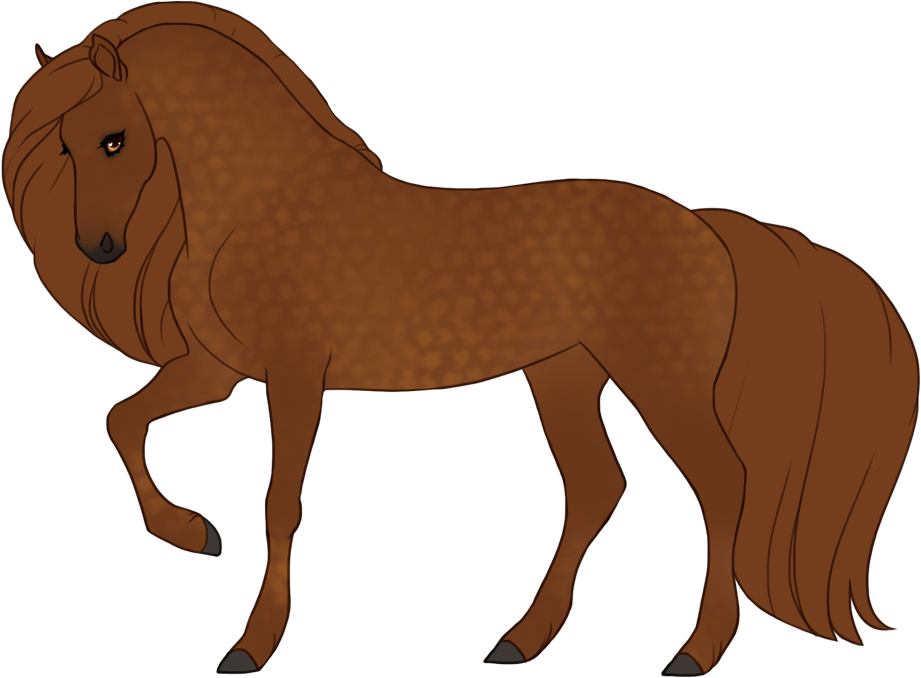
chestnut
Appearance
Chestnut should be an even shade of brown, and the mane and tail should have the same color as the base coat. While chestnut can have a rather wide range of different brown shades available, a plain chestnut horse should never appear diluted if no dilutions are present in the genotype, it should be brown, and the shade of brown should be the same throughout the entire coat including mane and tail. It should also not be dark enough to be mistaken for black.
Examples
The following examples are allowed variations of chestnut, and show how the coat can vary in brightness and tone. Feel free to copy the colours or pick something inbetween.
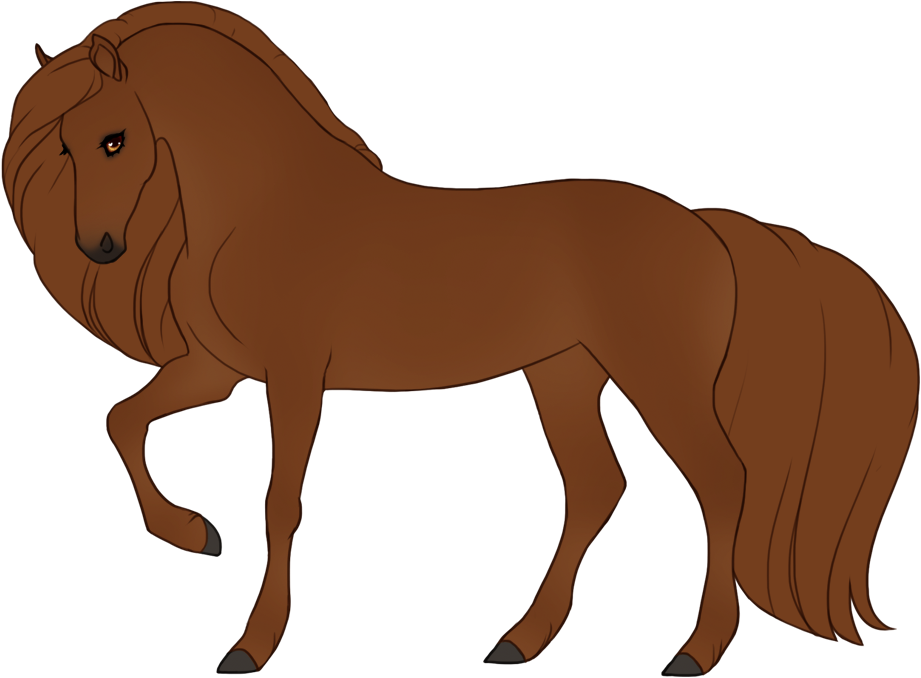
Chestnut
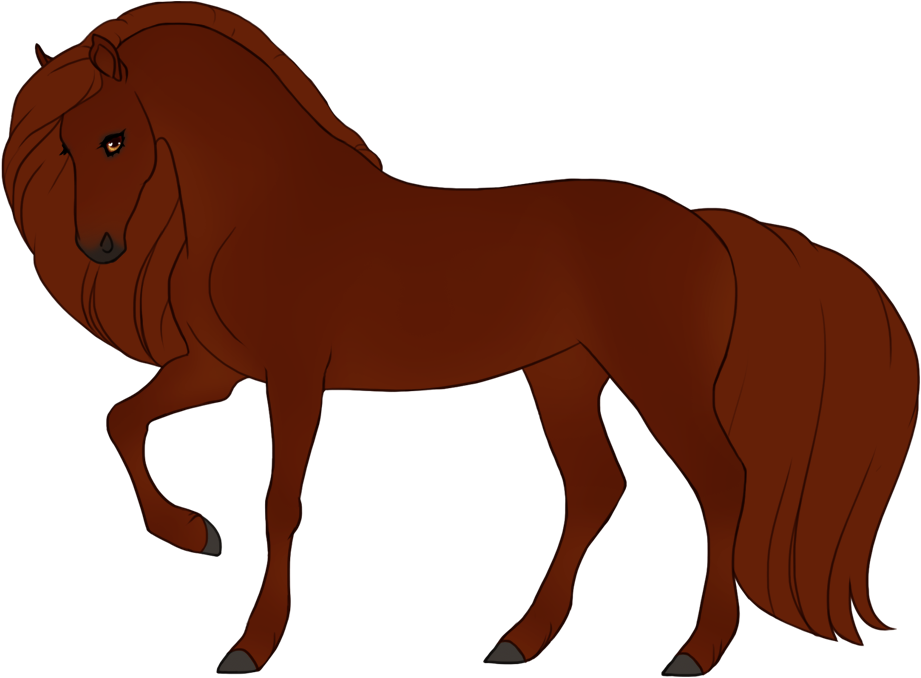
Red chestnut
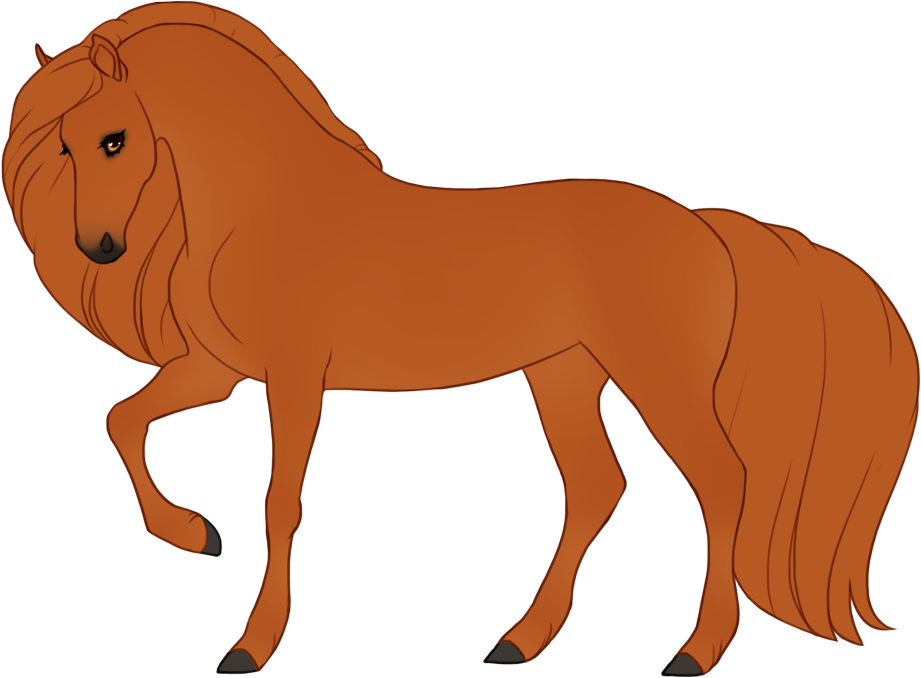
Sorrel chestnut
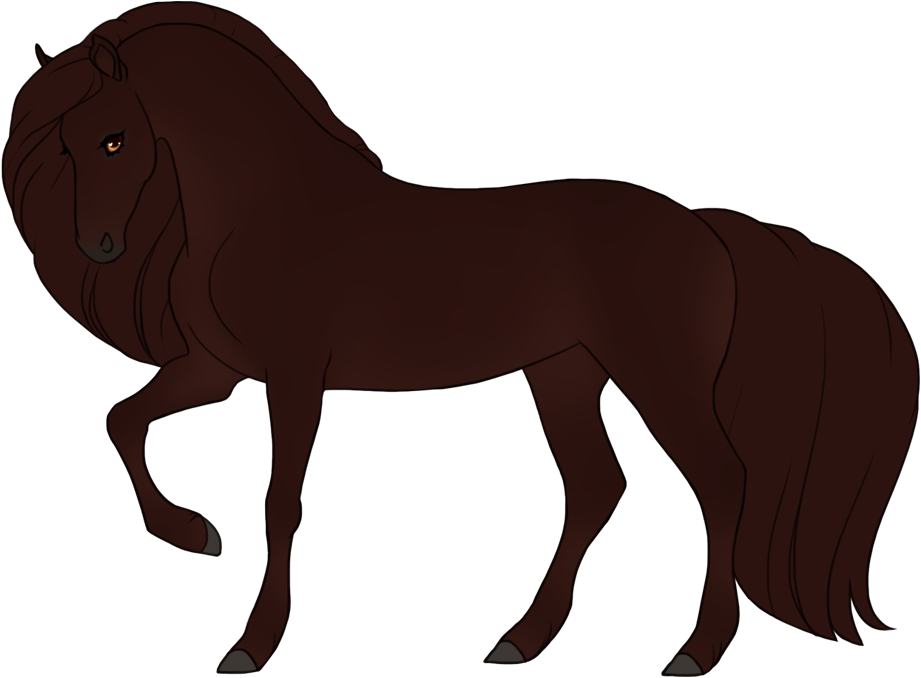
Dark liver chestnut
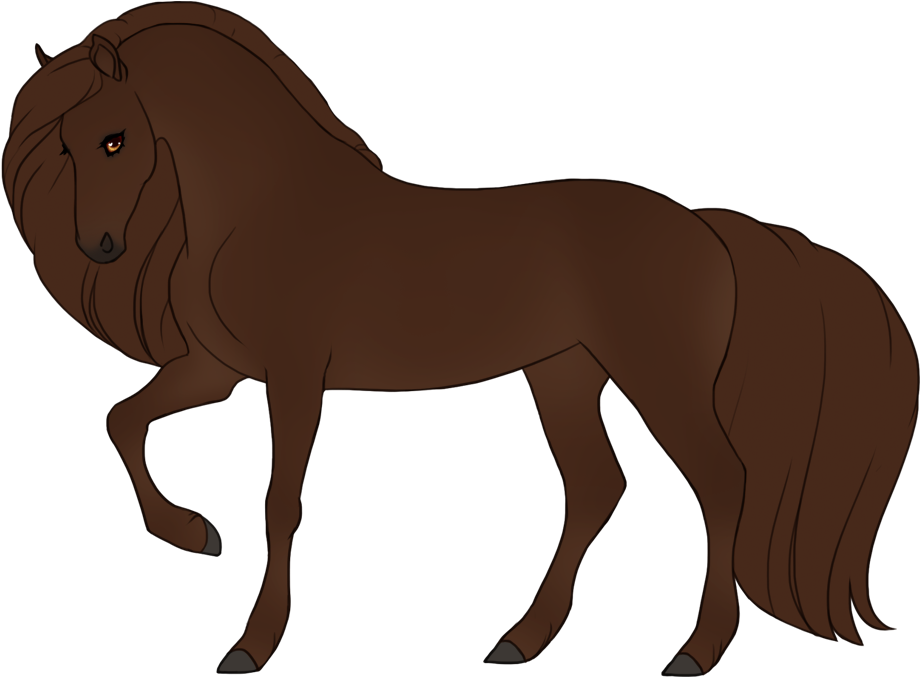
Liver chestnut
Eye colour: Dark brown
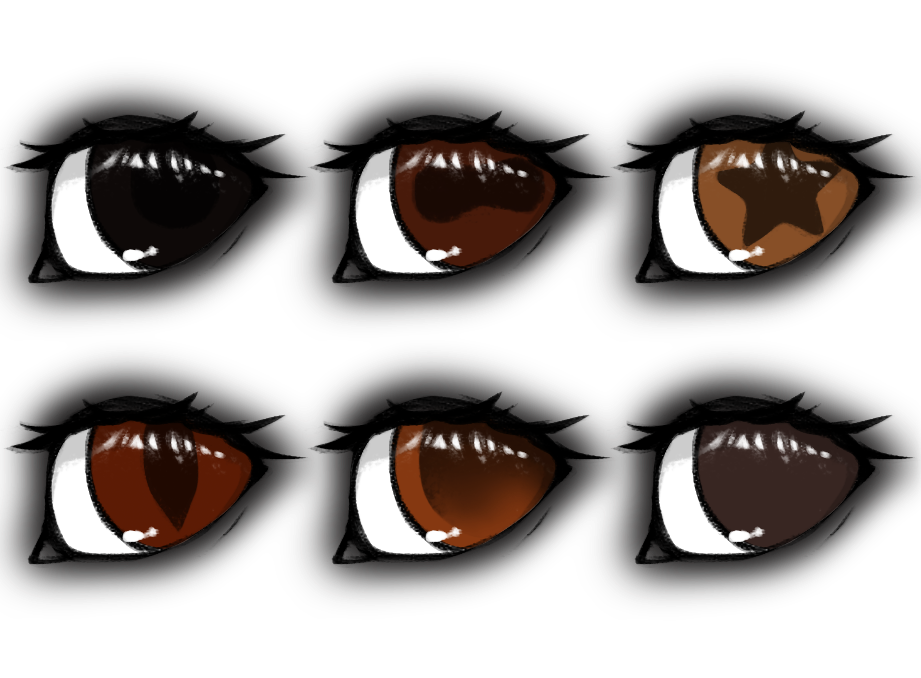
Dark brown eyes can range from near-black to a lighter chocolate, but should not appear golden or too bright.
Skin colour: Dark
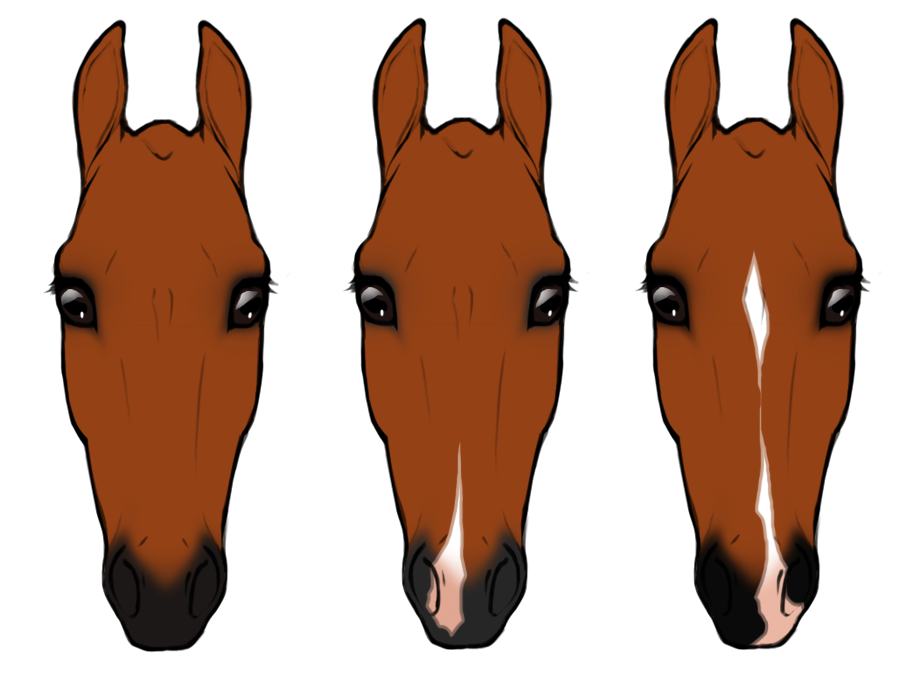
Dark skin should be either dark grey or black. Skin areas affected by white patterns or markings must be light pink.
Horn/hoof colour: Dark
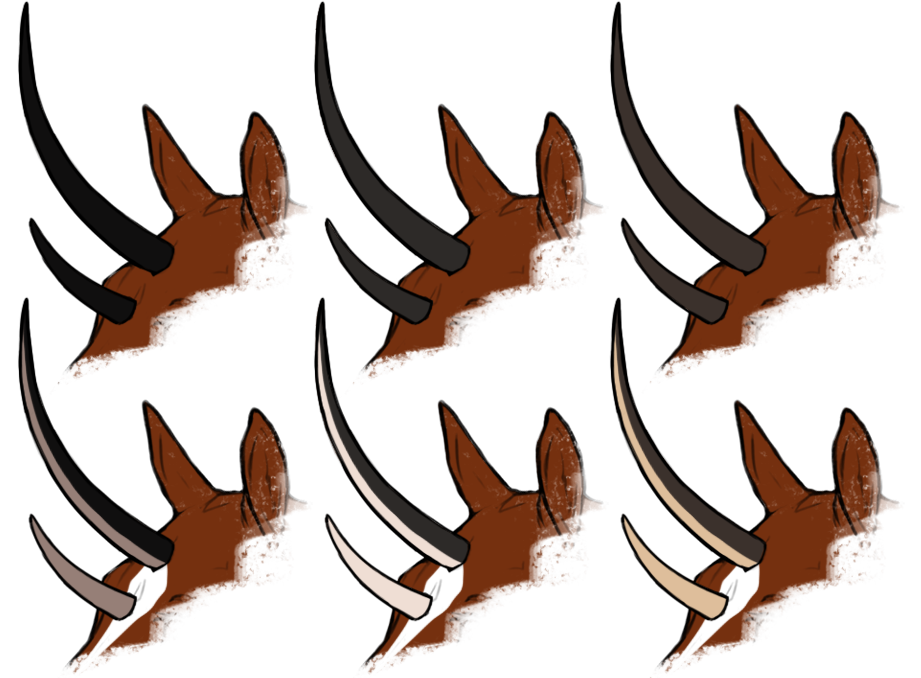
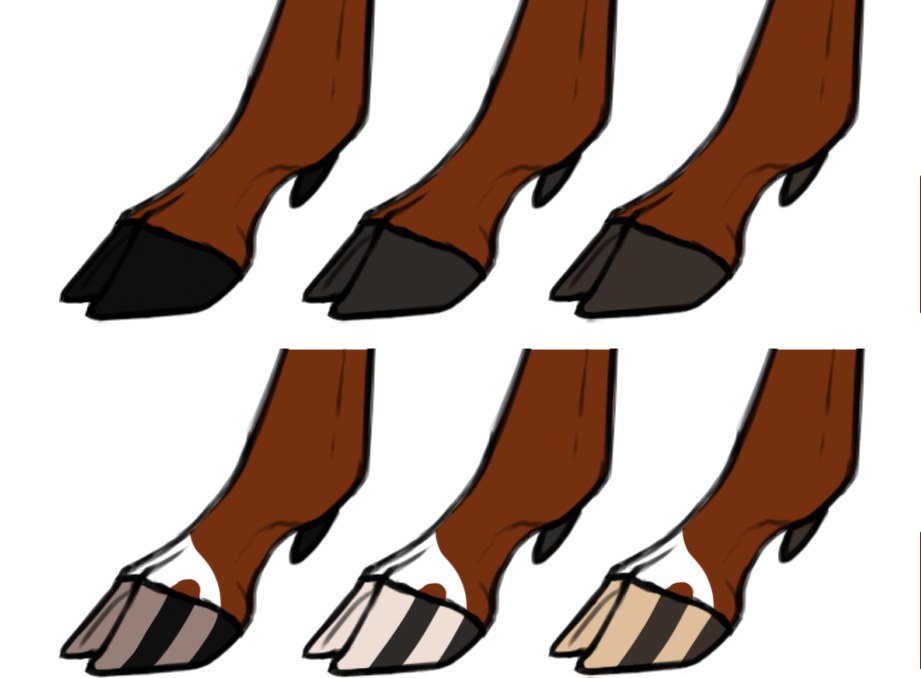
Dark horns and hooves should be black, dark grey or very desaturated dark brown. They should not be a saturated or rich brown.
If white markings are touching, the affected parts of dark horns and hooves will be very light or cream-coloured.
You can freely customize your design's basecoat and mane/tail with subtle variations in brightness and saturation, giving it a slightly countershaded appearance, as long as it doesn't mimic genes your Veilhorn doesn't have. Countershading should not be so visible that it looks like Pangare or Sooty.
Subtle dark or light dapples may be added on any coat even if genes that normally causes dapples are not present. Note that "natural" dapples should be faint and may not mimic genes your Veilhorn doesn't have.