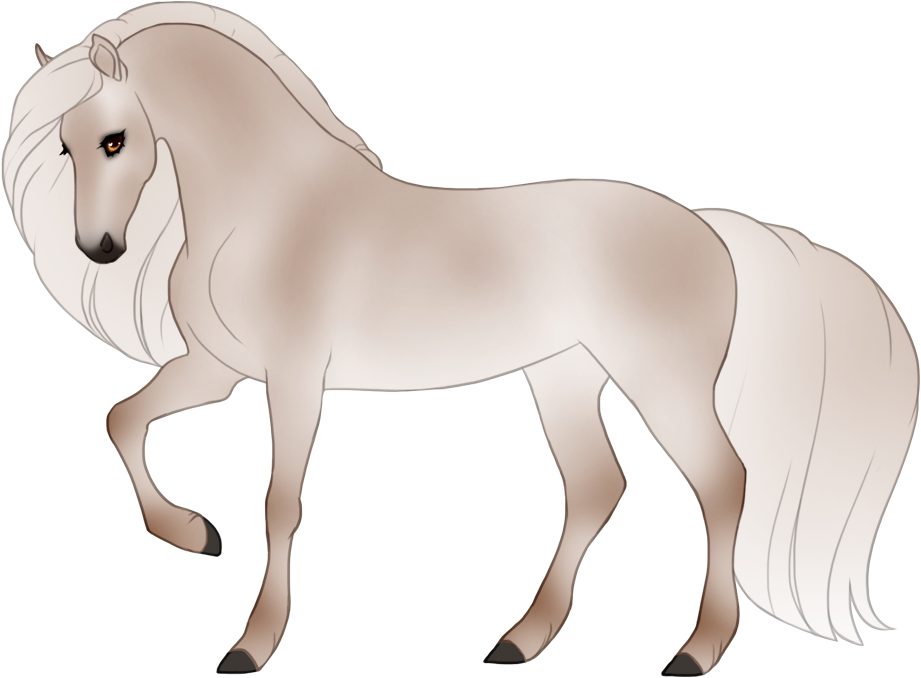
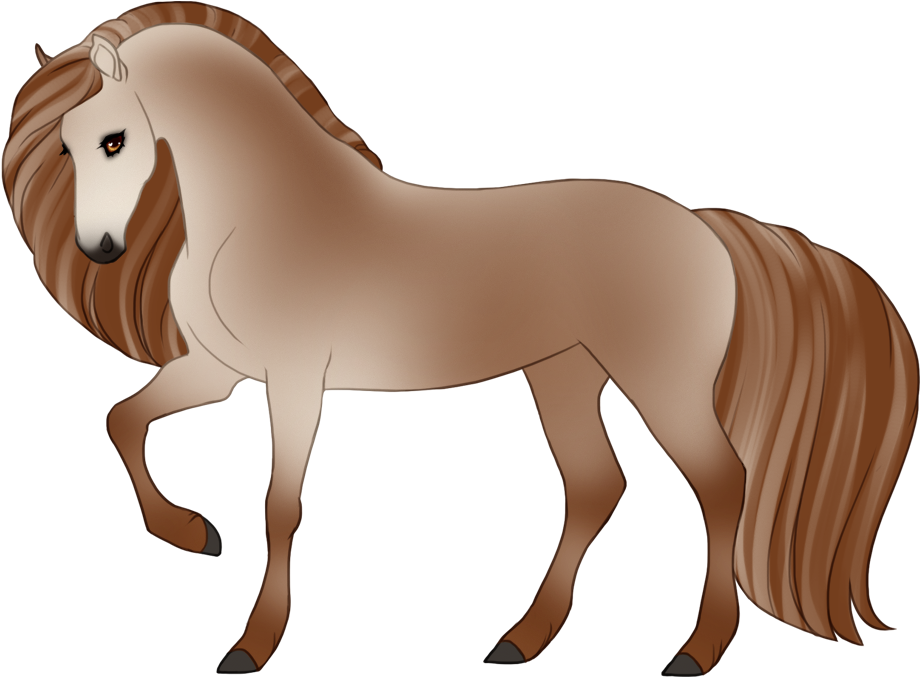
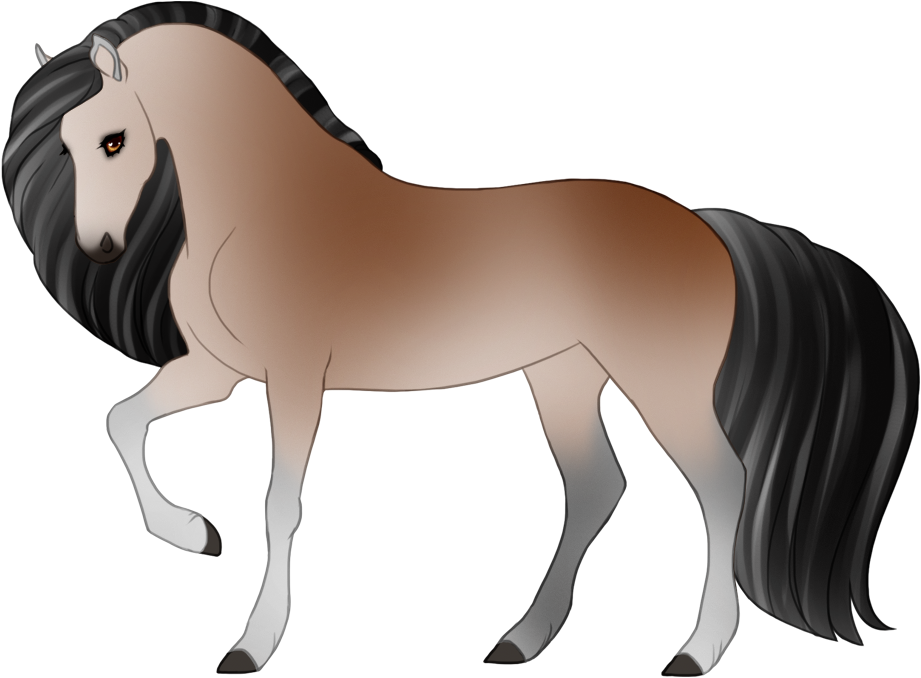
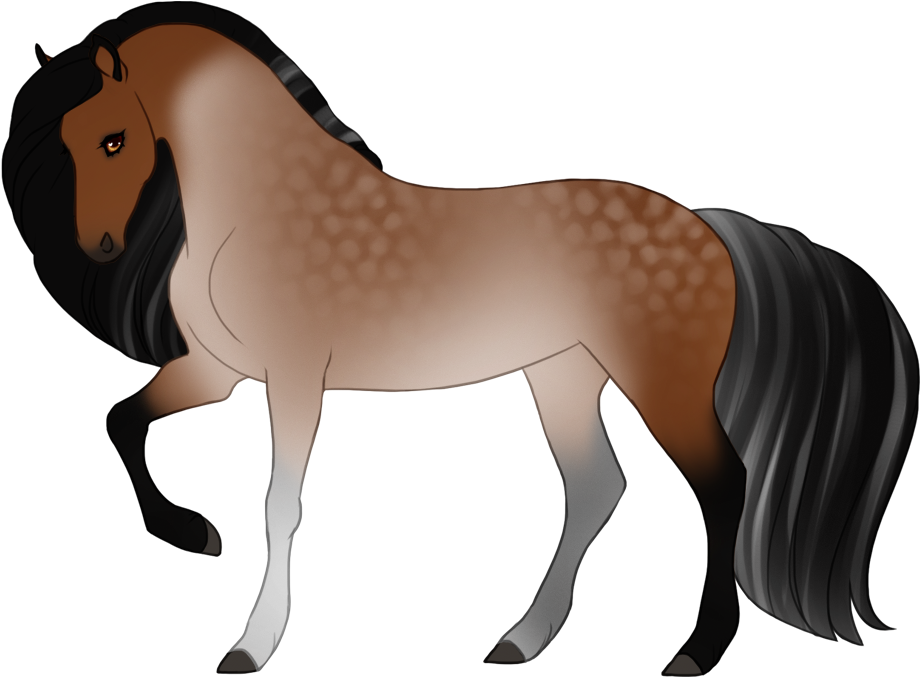
Veilhorn Steed

Shop info:

Genetics

Genotype options:

Appearance

Grey causes the coat to gradually lose pigment and turn white as the horse ages.

Each horse greys out at their own pace, there's no rule dictating how greyed out it has to be at a certain age and it's entirely up to the owner to decide how far along the greying process they are and whether they will continue to grey or if they will stay that color.
Minimum requirement:

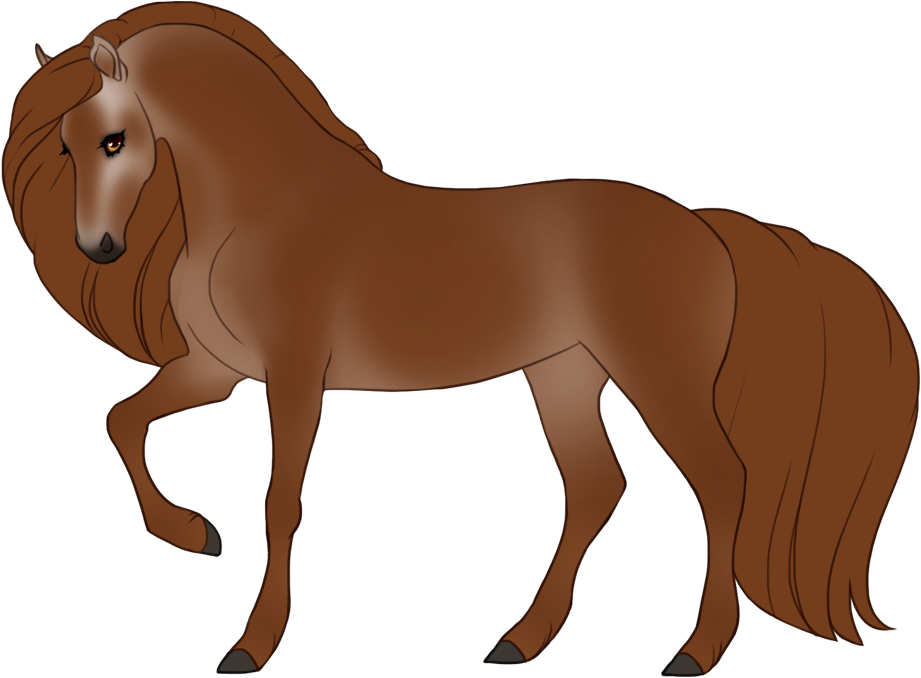
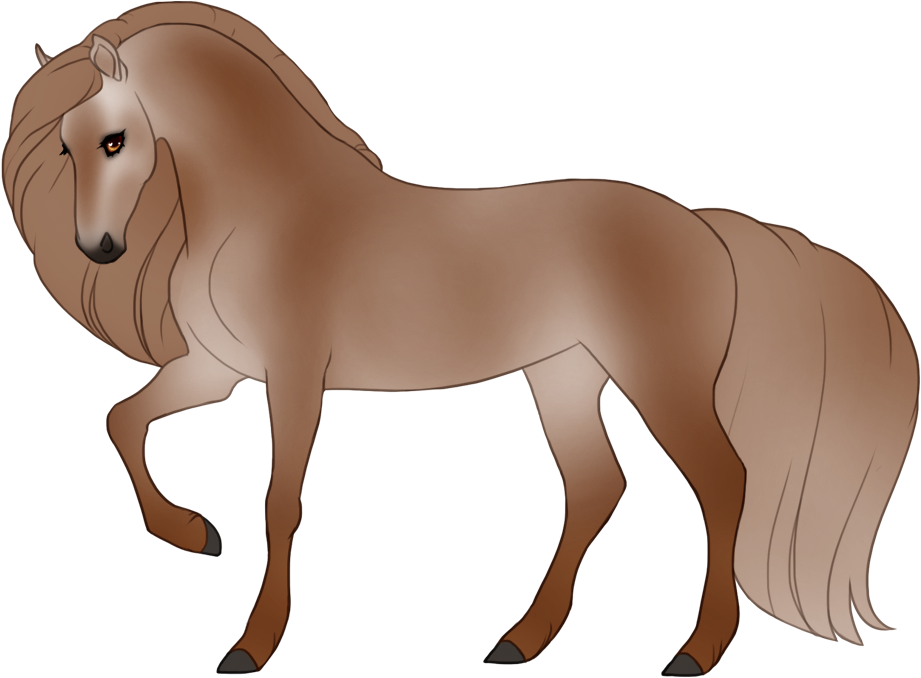
  • Some visible greying on the coat.

Minimum requirements can be reduced or completely removed by the occlusion trait.

Allowed:

  • Can show any stage of the greying process.
  • Mane, tail and legs are allowed to grey out slower than the basecoat, resulting in them looking darker.
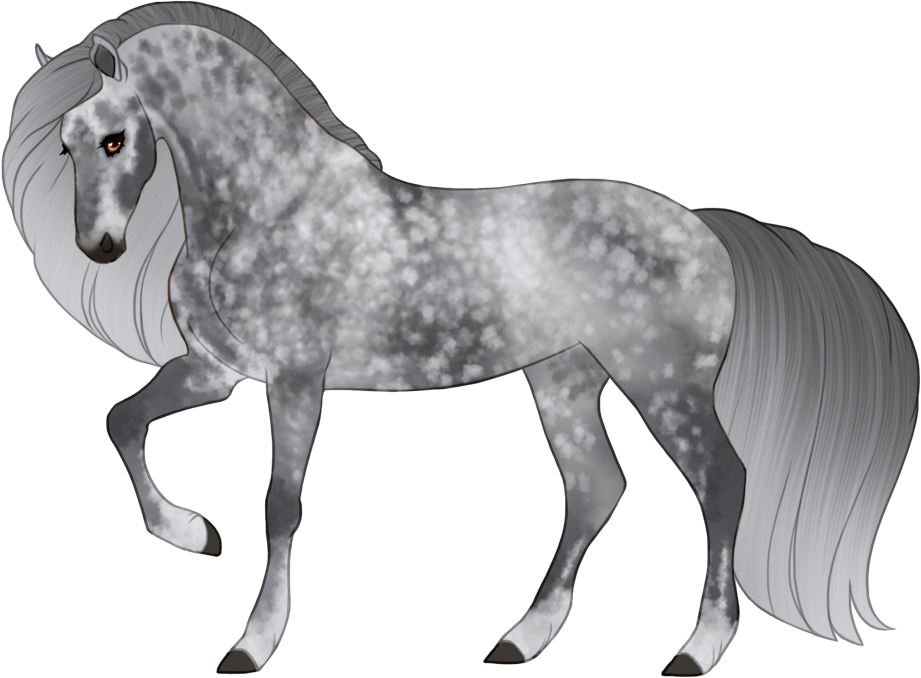
  • Can grey out the entire coat and mane/tail evenly.
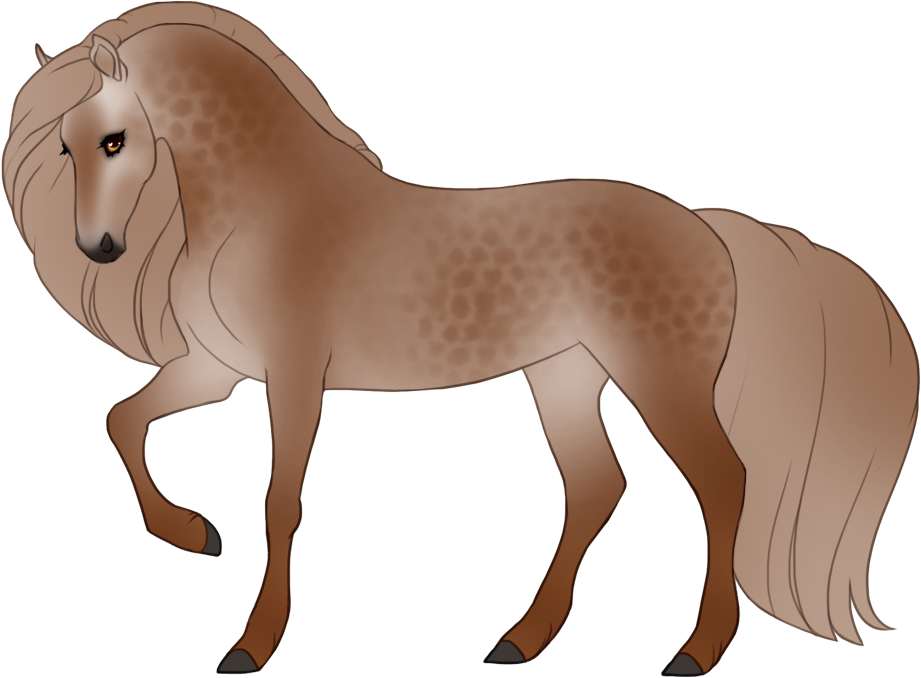
  • Can cause uneven greying resulting in light streaks in mane/tail (should look natural and not too high contrast).

Not allowed:

  • Can not cause the coat to darken in non-greyed areas.

Eye colour:

Doesn't affect eye colour.

Skin colour:

Doesn't affect skin colour.

Horn/hoof colour:

Can optionally lighten horns/hooves depending on how greyed out the coat is where it touches them. Heavily greyed out areas can cause horns/hooves to lighten more.

Examples

Minimally grey on chestnut

Minimally grey on chestnut

chestnut + Grey

Medium grey on chestnut

Medium grey on chestnut

chestnut + Grey

Grey on chestnut

Grey on chestnut

chestnut + Grey

Fully greyed out chestnut

Fully greyed out chestnut

chestnut + Grey

Subtle streaks in mane and tail

Subtle streaks in mane and tail

chestnut + Grey

Subtle streaks in mane and tail

Subtle streaks in mane and tail

bay + Grey

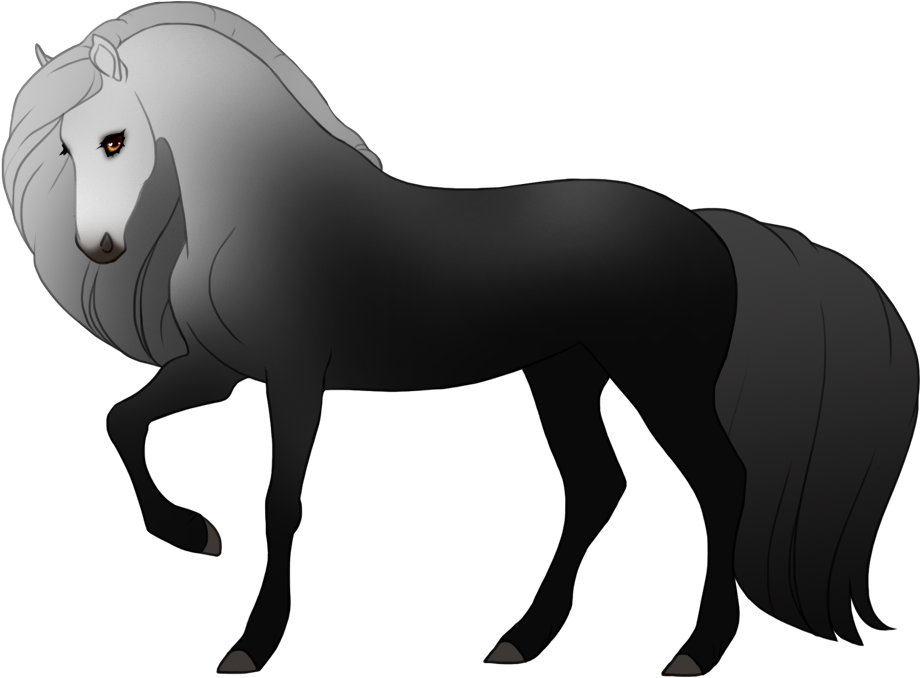
Completely evenly greyed black

Completely evenly greyed black

black + Grey

Very unevenly greyed black

Very unevenly greyed black

black + Grey

Unevenly greyed smoky cream

Unevenly greyed smoky cream

smoky cream + Grey

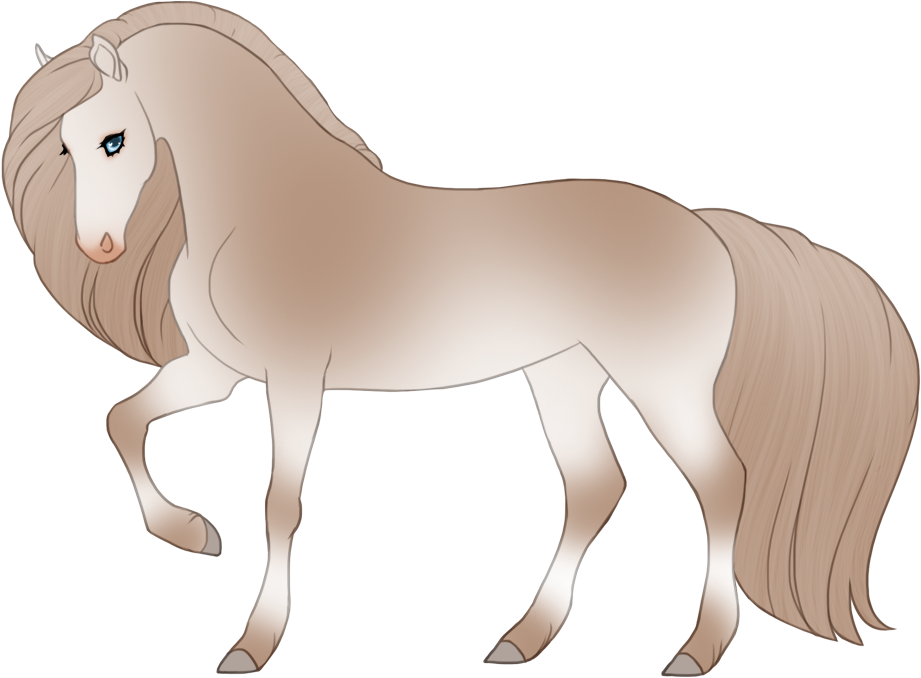
Unevenly greyed blue honey

Unevenly greyed blue honey

blue honey + Grey

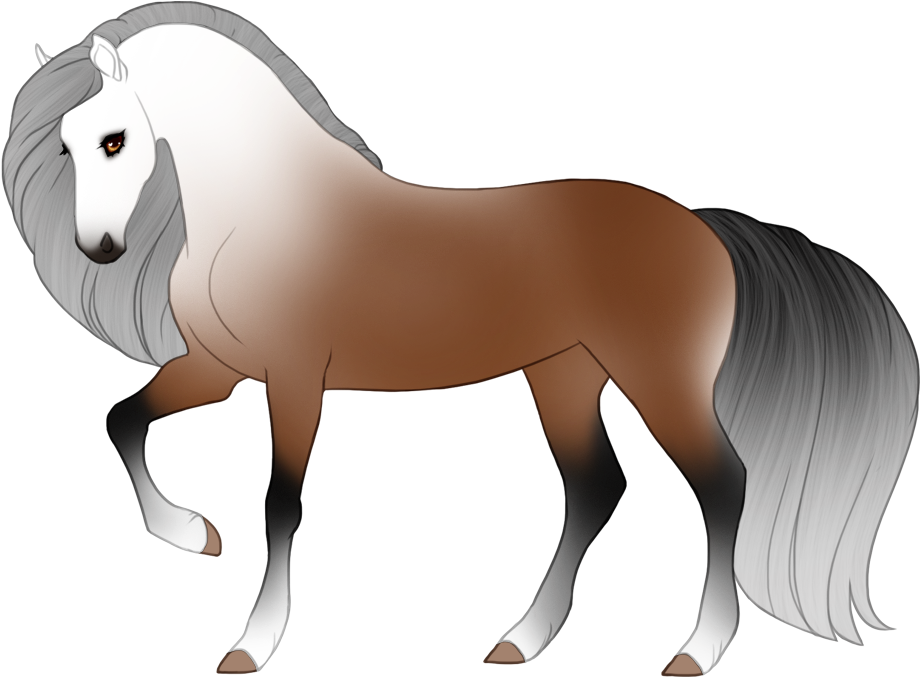
Unevenly greyed bay, affecting hooves

Unevenly greyed bay, affecting hooves

bay + Grey


Dapples is an optional effect of Grey

The minimum requirements of Grey must still be met regardless if Dapples is shown or not.

Dapples is not listed in the phenotype, a Grey with Dapples is still only written as Grey.

Appearance

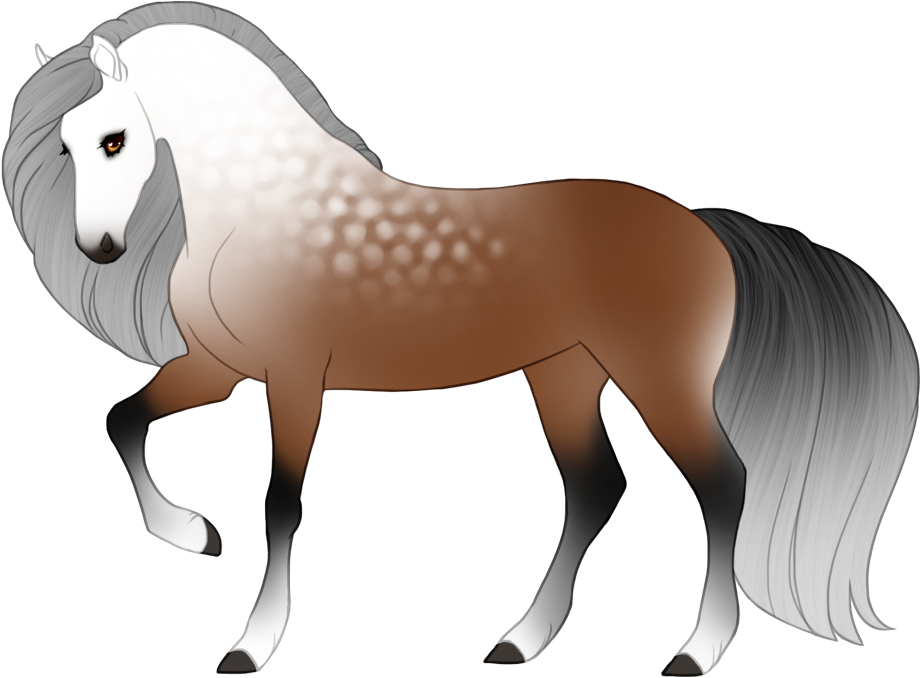
Grey can optionally have light or dark dapples.

Eye colour:

Doesn't affect eye colour.

Skin colour:

Doesn't affect skin colour.

Horn/hoof colour:

Doesn't affect horn or hoof colour.

Examples

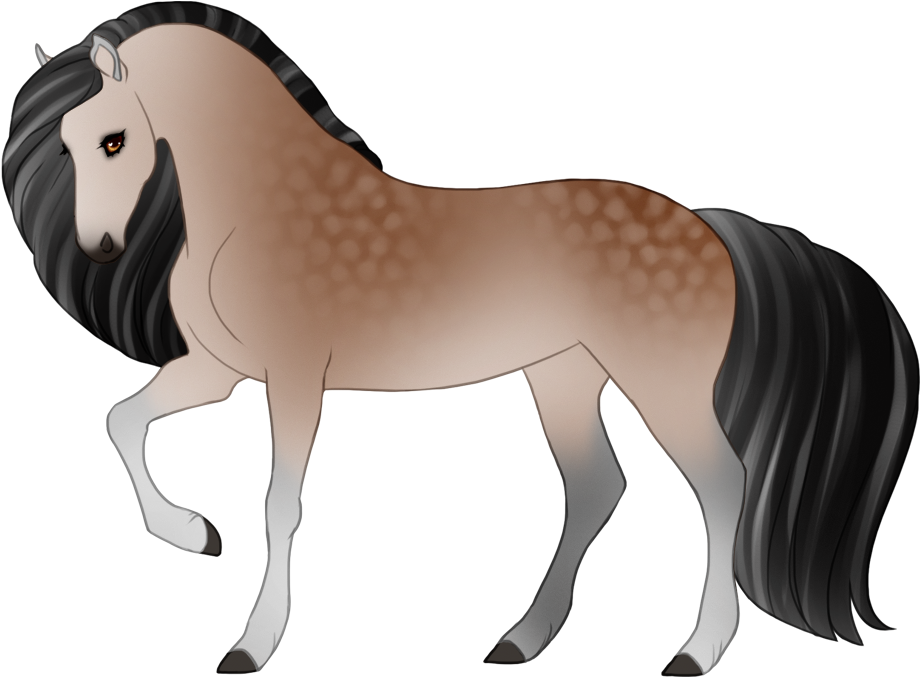
Grey on black with grey dapples

Grey on black with grey dapples

black + Grey

Grey on chestnut with dark dapples

Grey on chestnut with dark dapples

chestnut + Grey

Subtle dapples

Subtle dapples

bay + Grey

Unevenly greyed bay with some dapples

Unevenly greyed bay with some dapples

bay + Grey


Fleabitten and Mismarked is an optional effect of Grey

The minimum requirements of Grey must still be met regardless if Fleabitten and Mismarked is shown or not.

Fleabitten and Mismarked is not listed in the phenotype, a Grey with Fleabitten and Mismarked is still only written as Grey.

Appearance

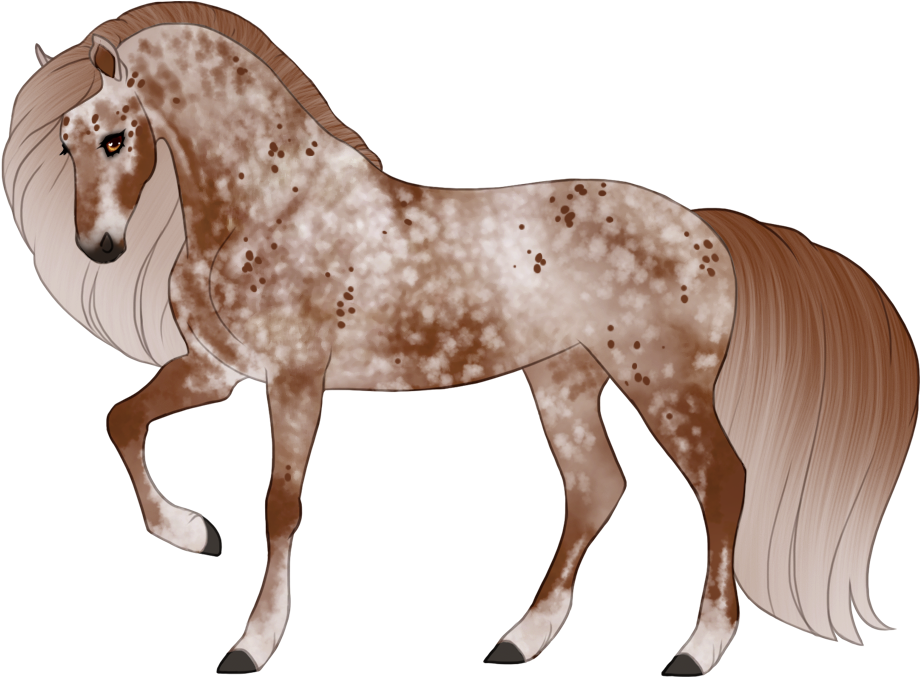
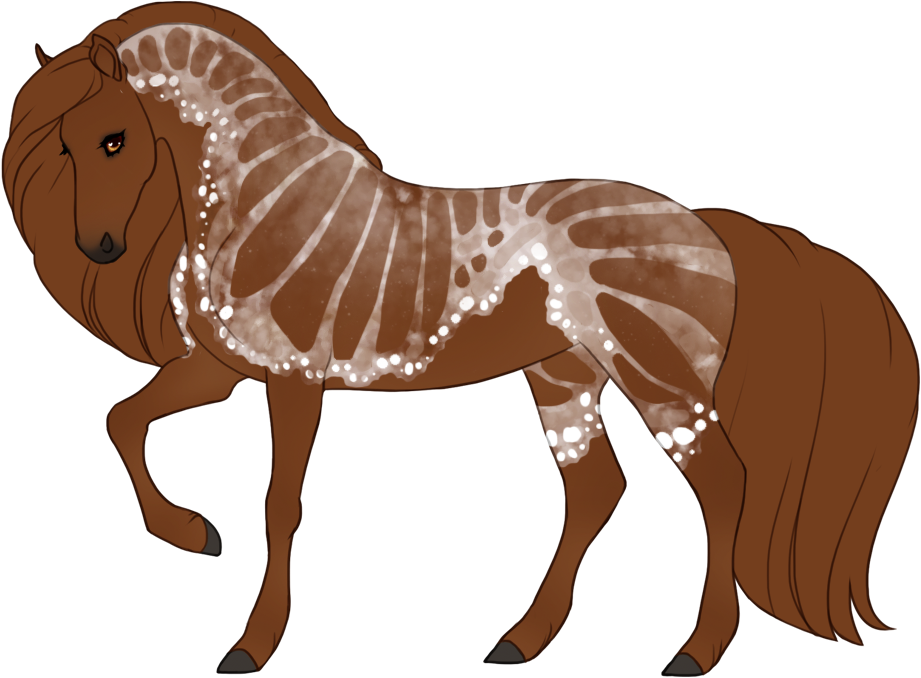
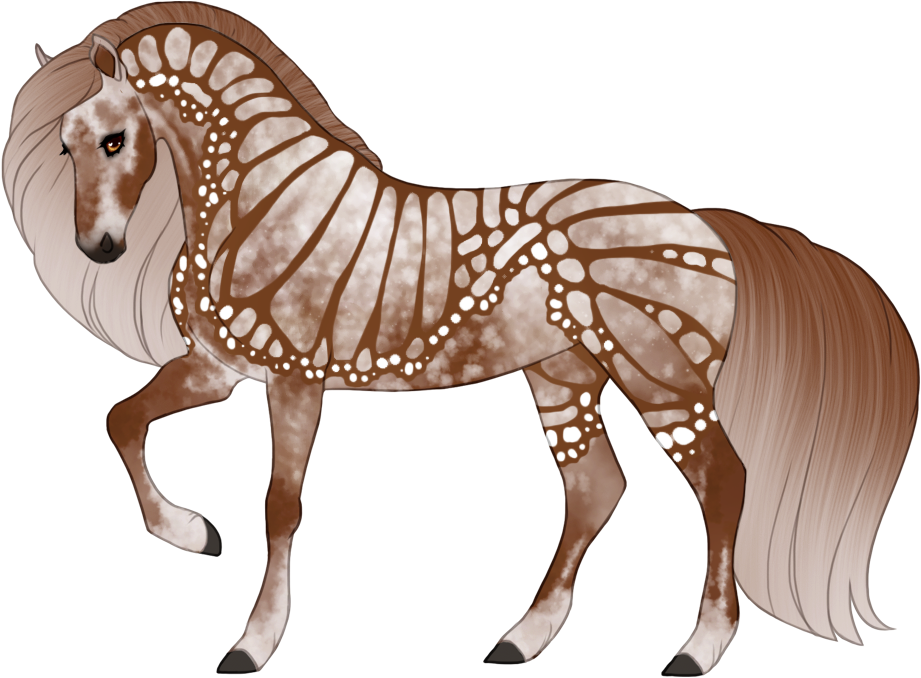
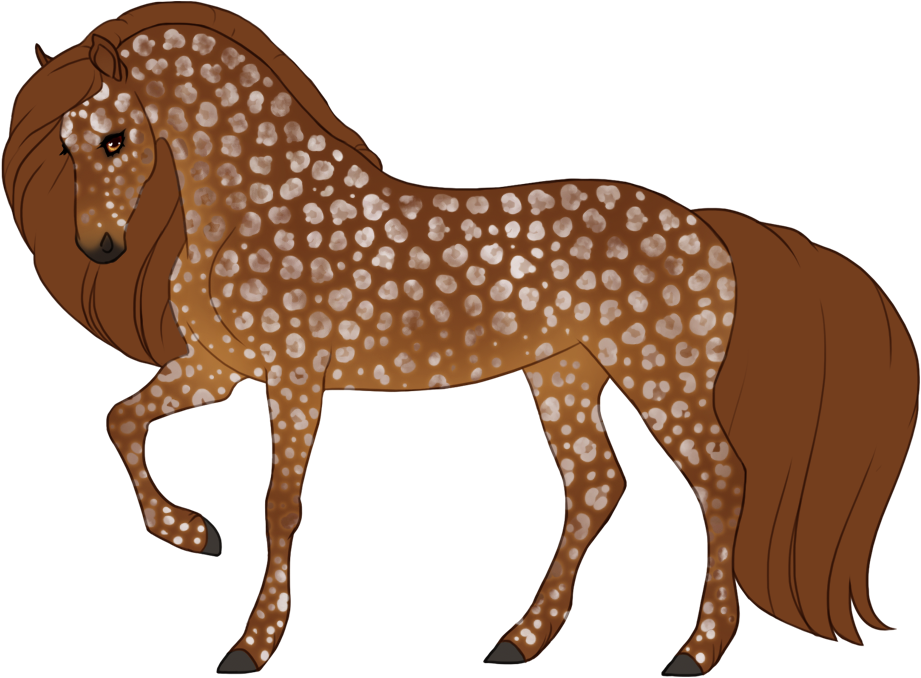
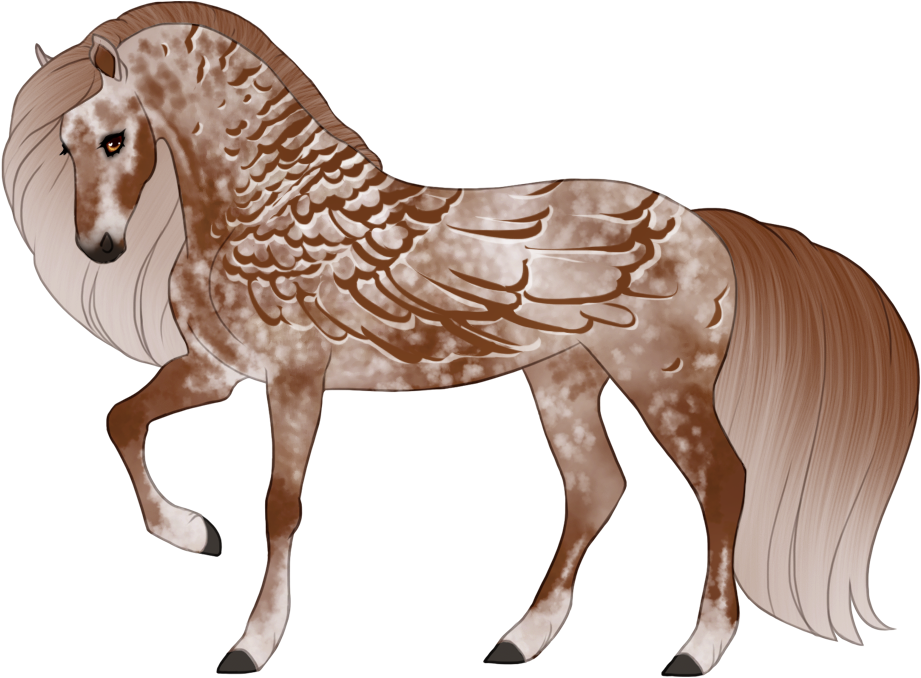
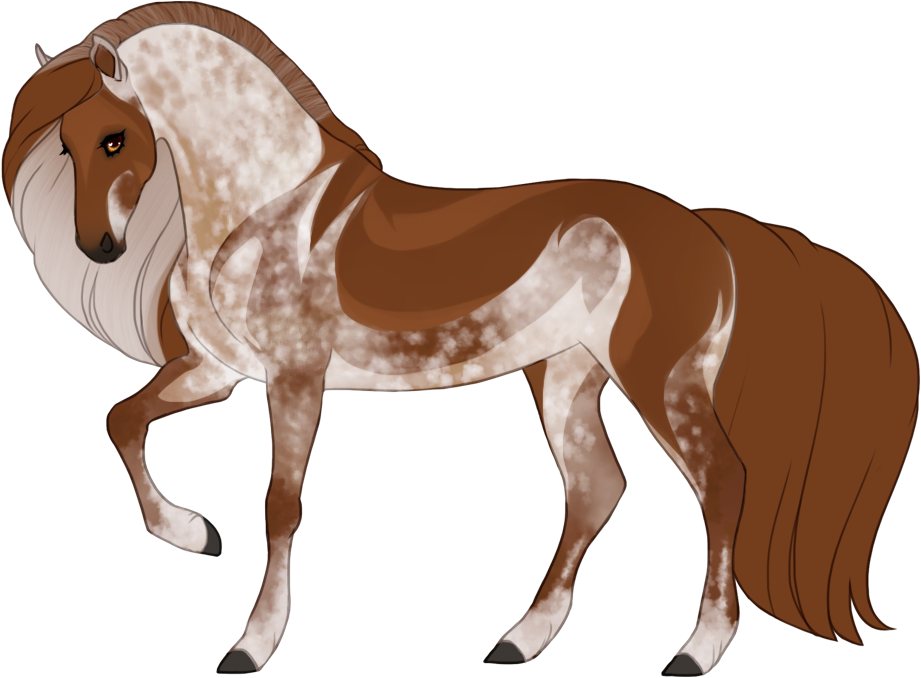
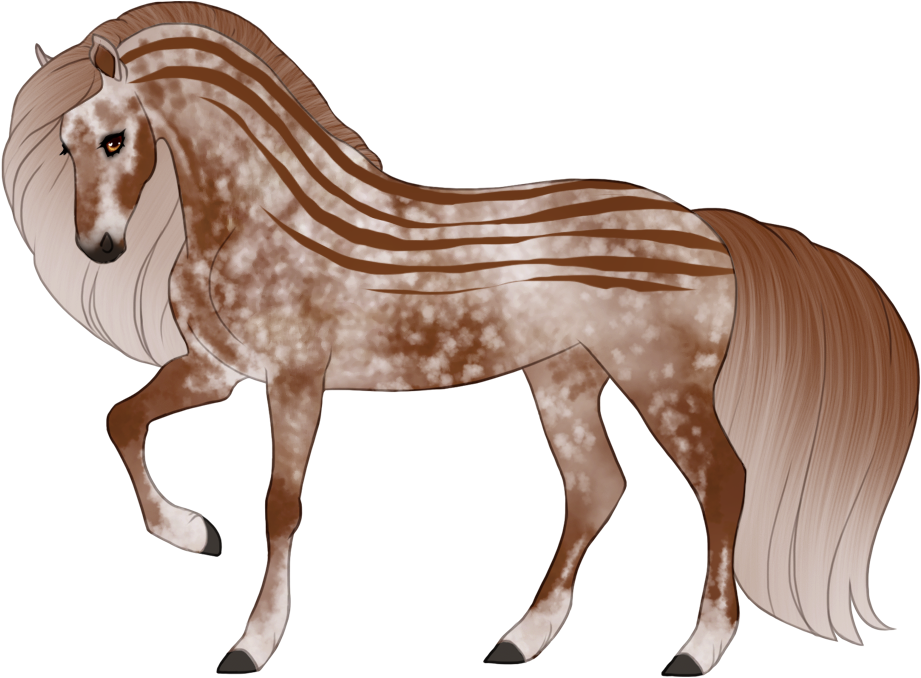
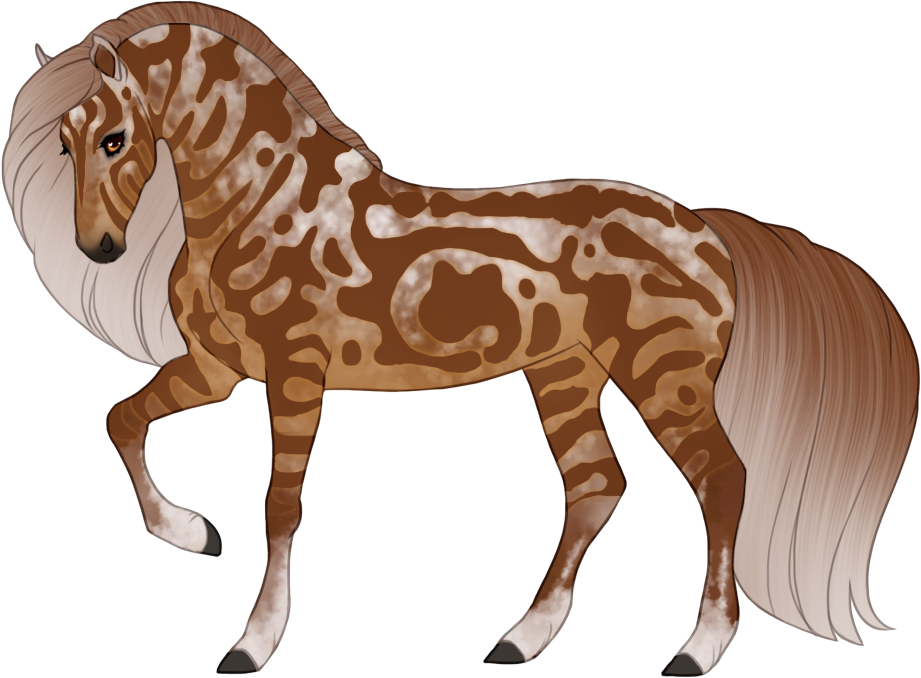
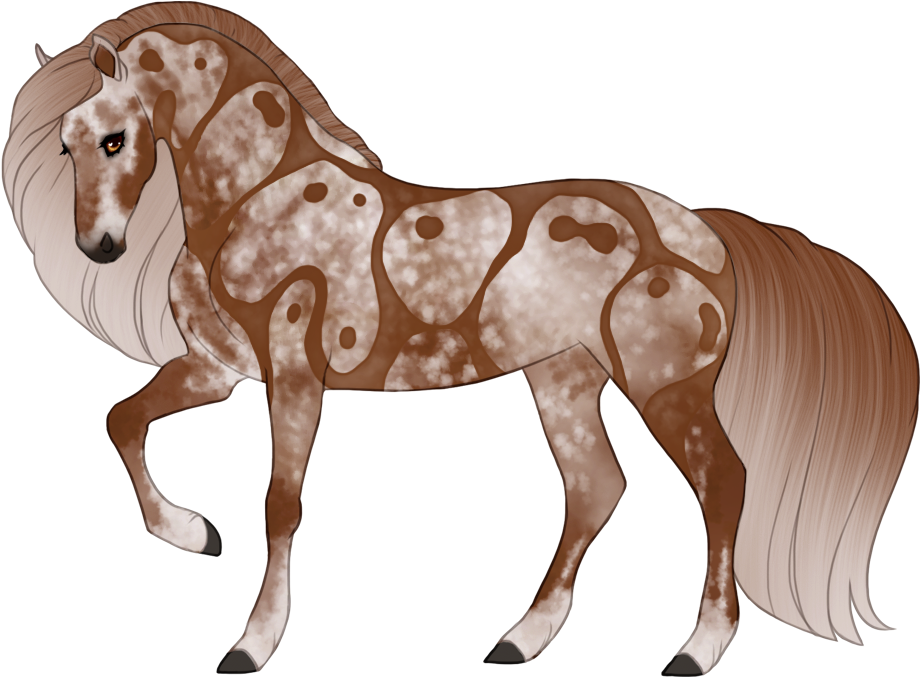
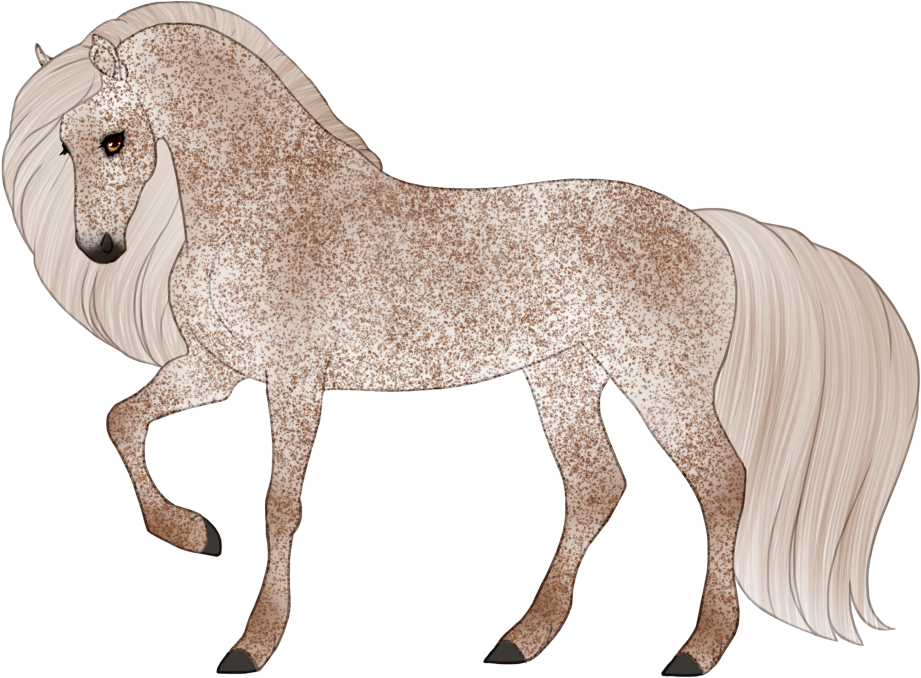
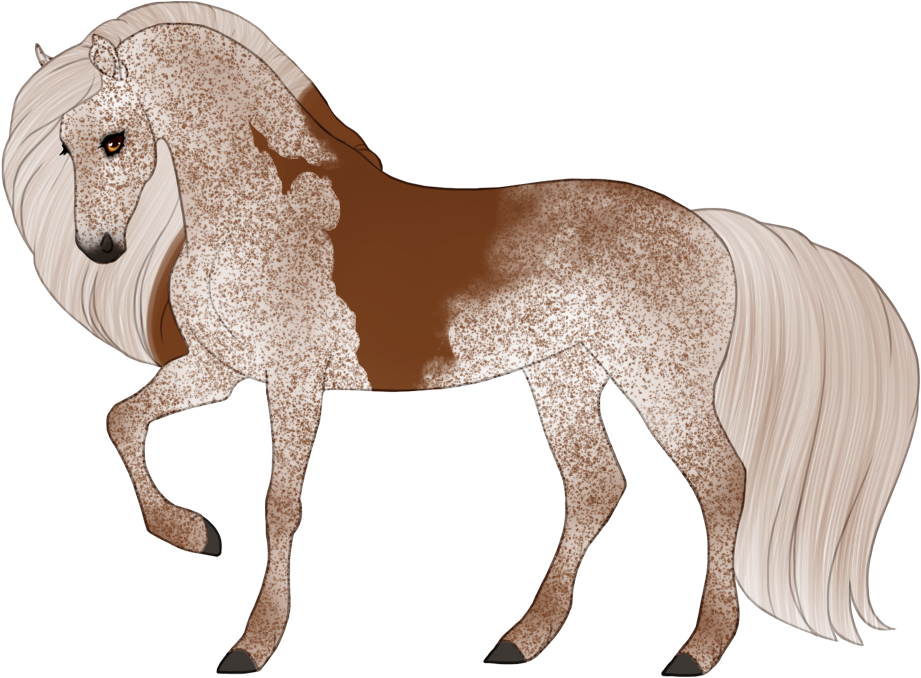
Fleabitten grey causes ticking/freckles in the grey, showing the ungreyed basecoat.

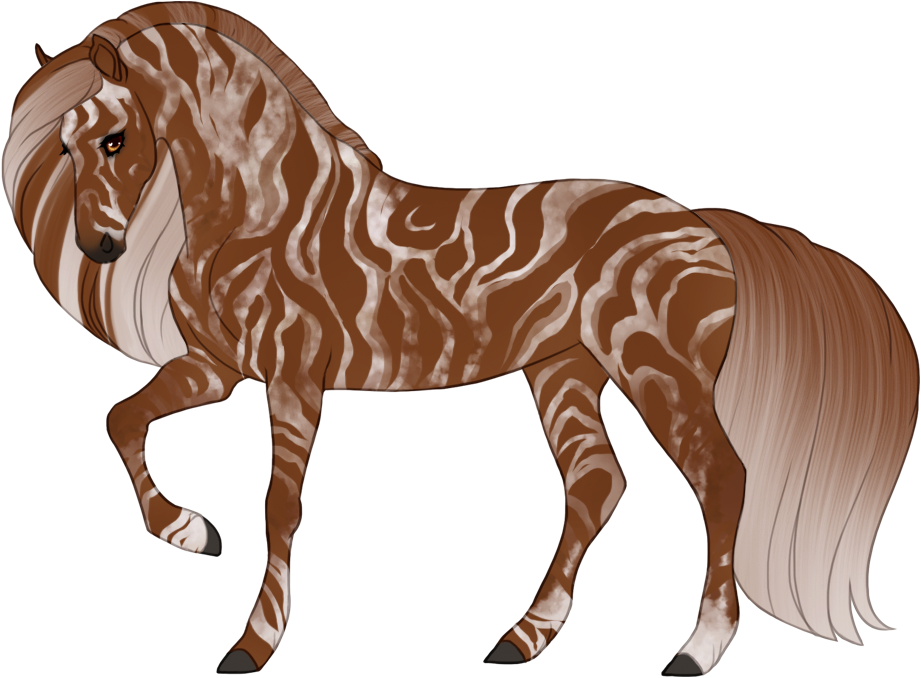
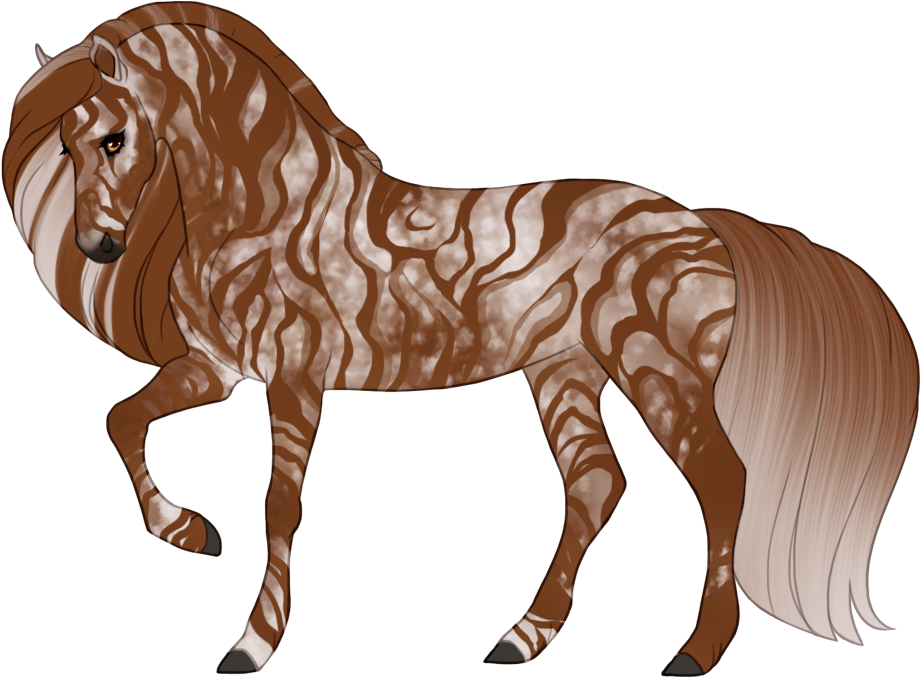
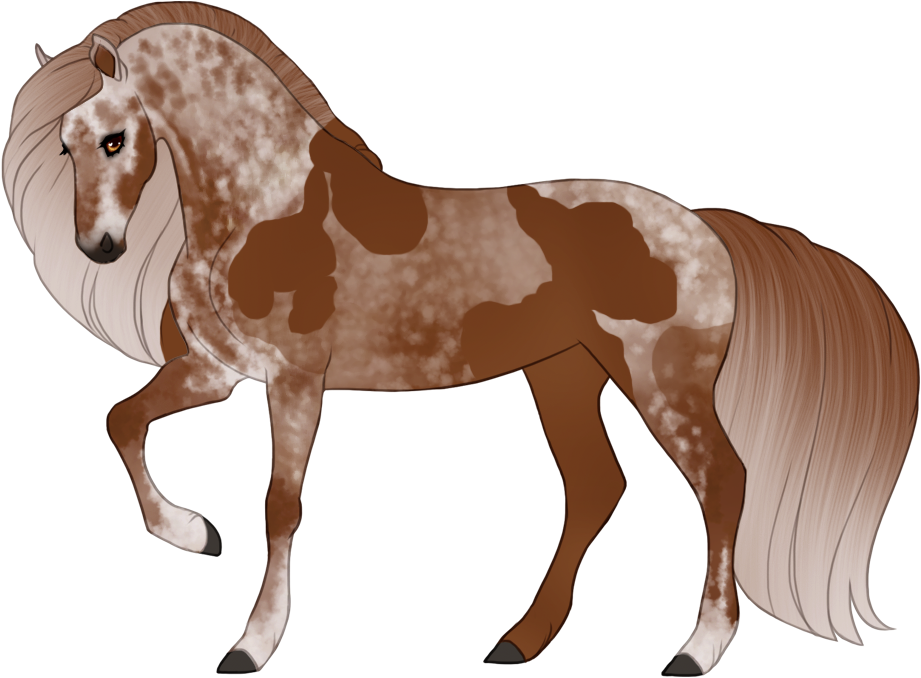
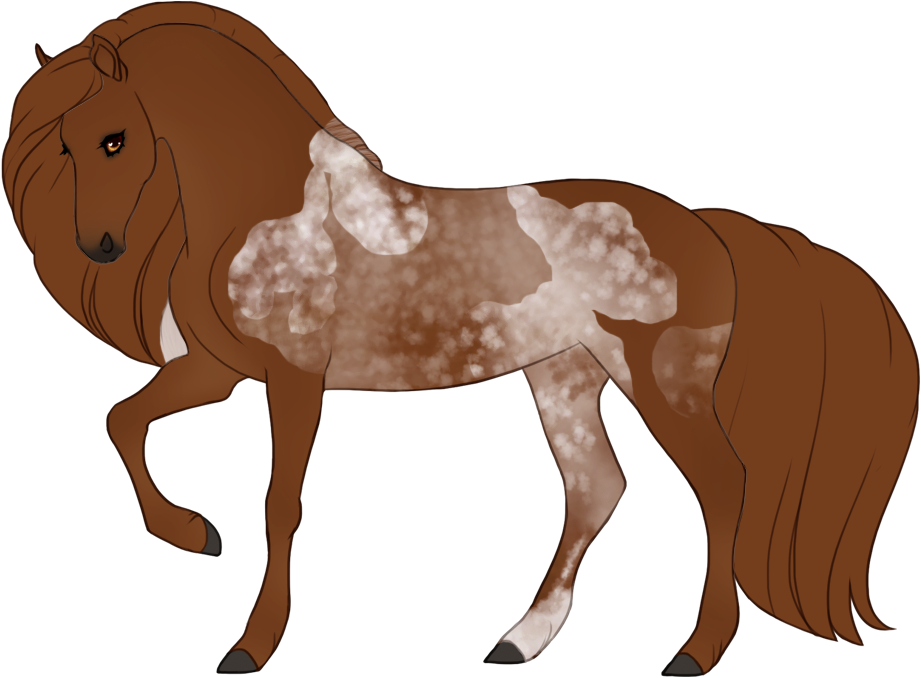
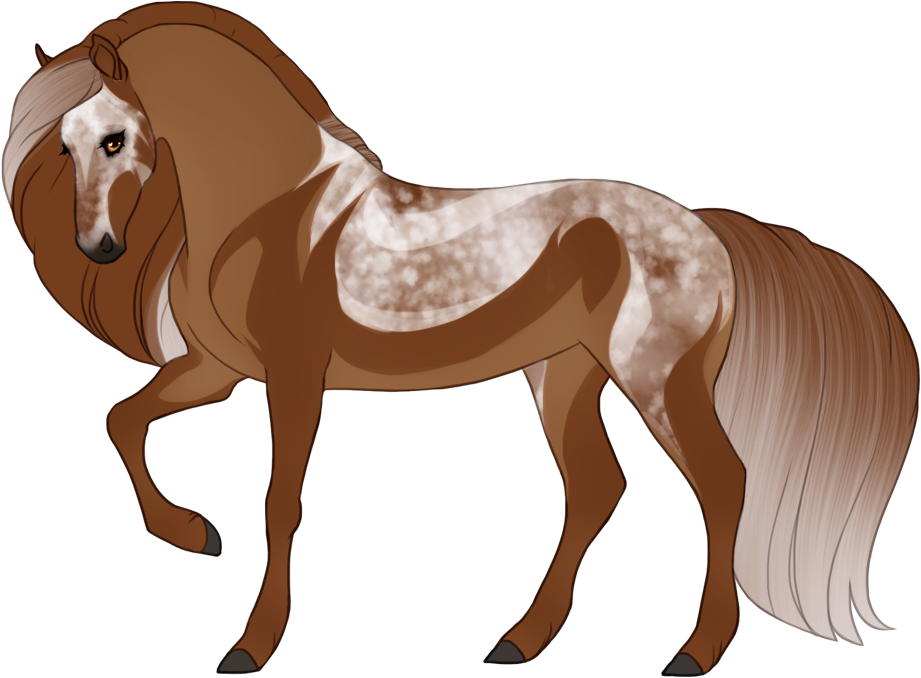
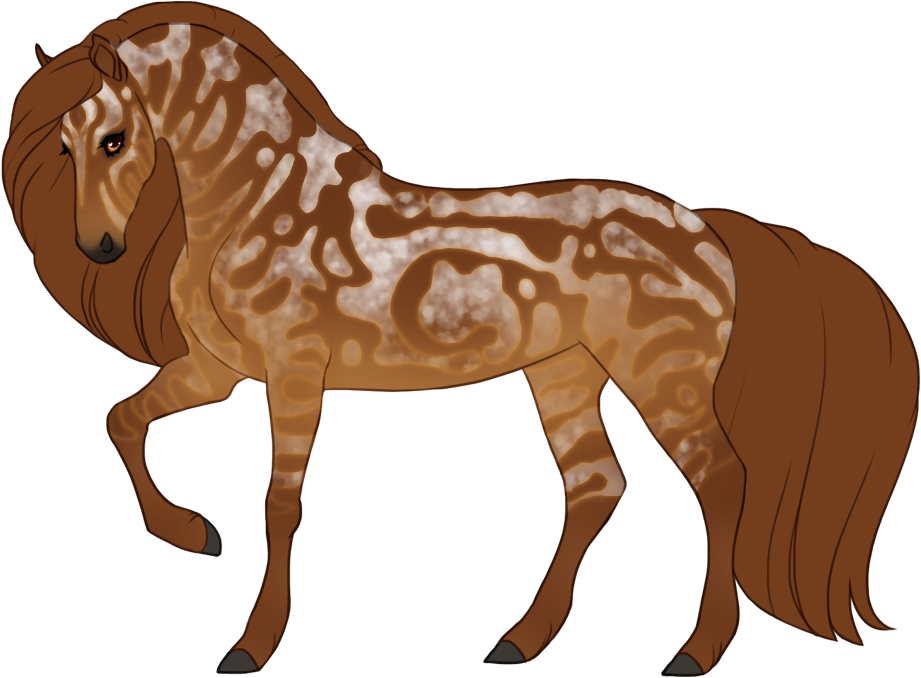
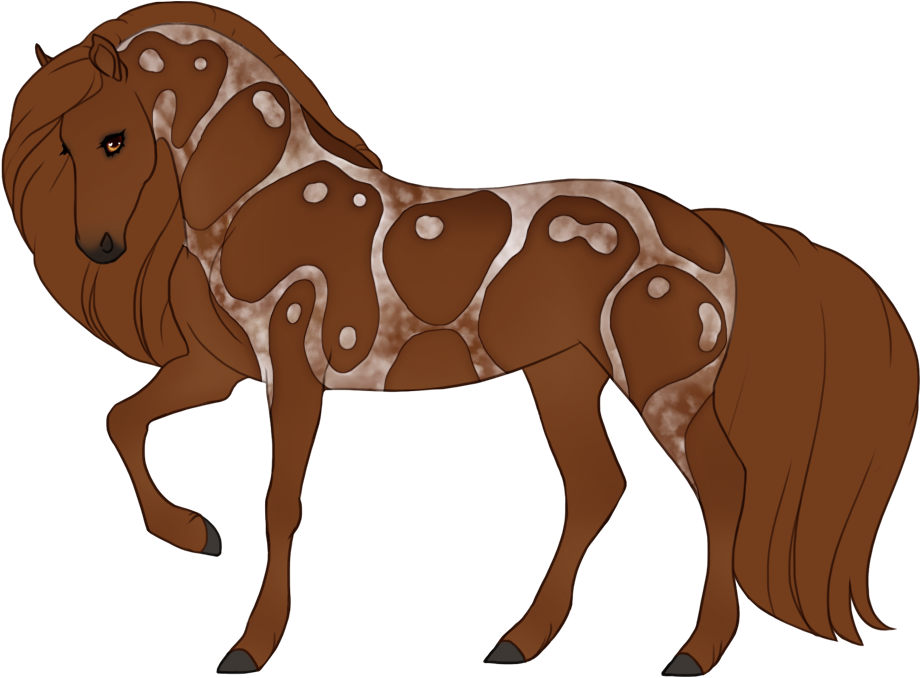
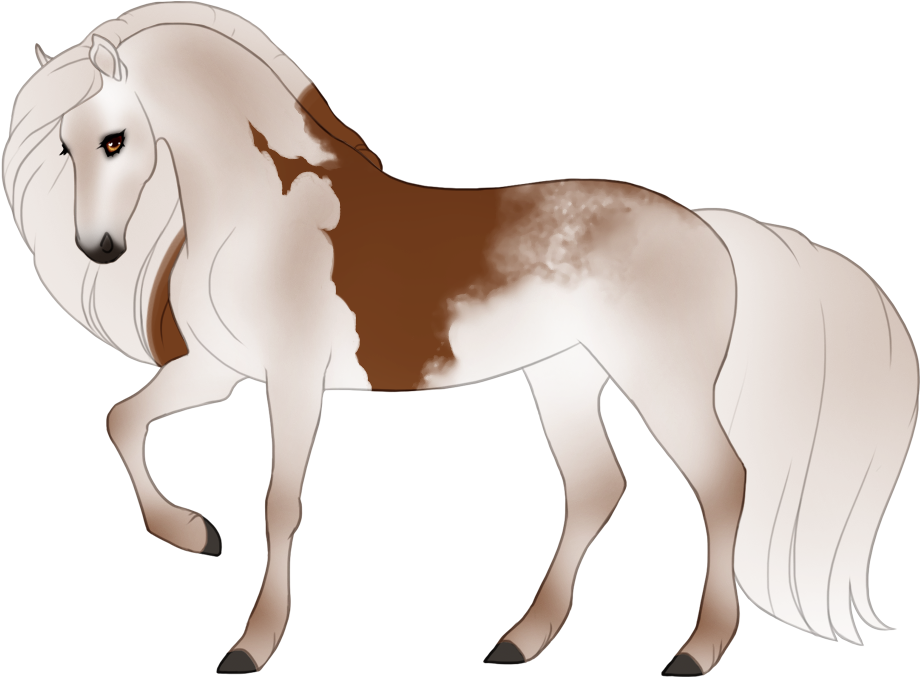
Mismarked grey (also known as "bloody shoulder") causes random areas to not be affected by grey, and remain the base coat without losing pigment. These areas can be anywhere on the body and in any natural shape, the edges of the mismarked grey can be both smooth/sharp or roaned. The mane and tail will not grey out in the mismarked areas.

Eye colour:

Doesn't affect eye colour.

Skin colour:

Doesn't affect skin colour.

Horn/hoof colour:

Doesn't affect horn or hoof colour.

Examples

Fleabitten grey

Fleabitten grey

chestnut + Grey

Mismarked grey, "bloody shoulder"

Mismarked grey, "bloody shoulder"

chestnut + Grey

Fleabitten mismarked grey

Fleabitten mismarked grey

chestnut + Grey

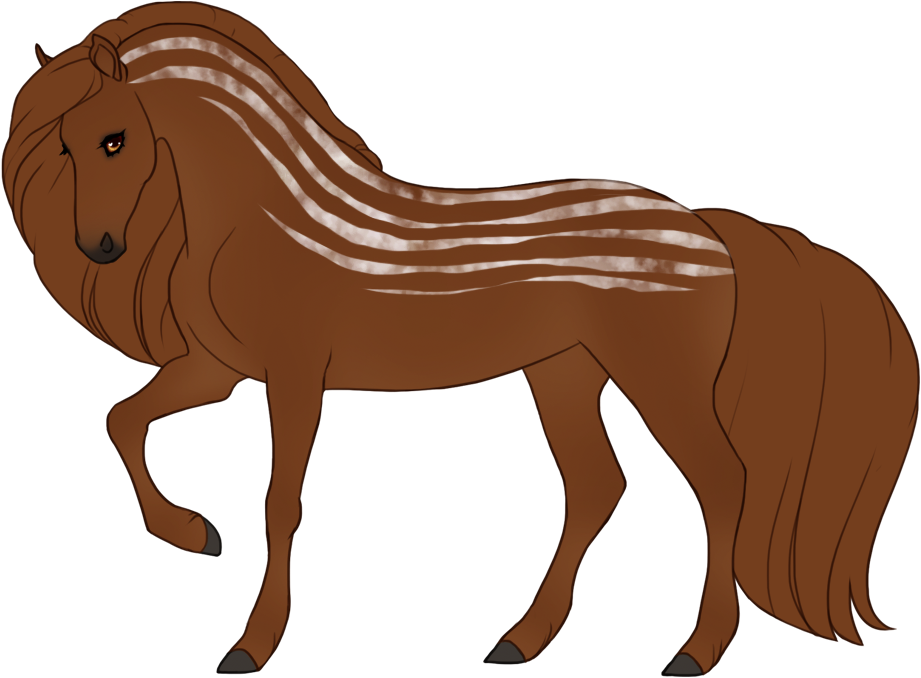
Soft gradient/roaned mismarked

Soft gradient/roaned mismarked

bay + Grey