Appearance
Also known as Somatic, occlusion allows fully or partially hiding any other traits (except other non-heritable traits). If a gene has been fully occluded then it is essentially "hidden" and does not show at all, while still remaining in the genotype and can pass to offspring.
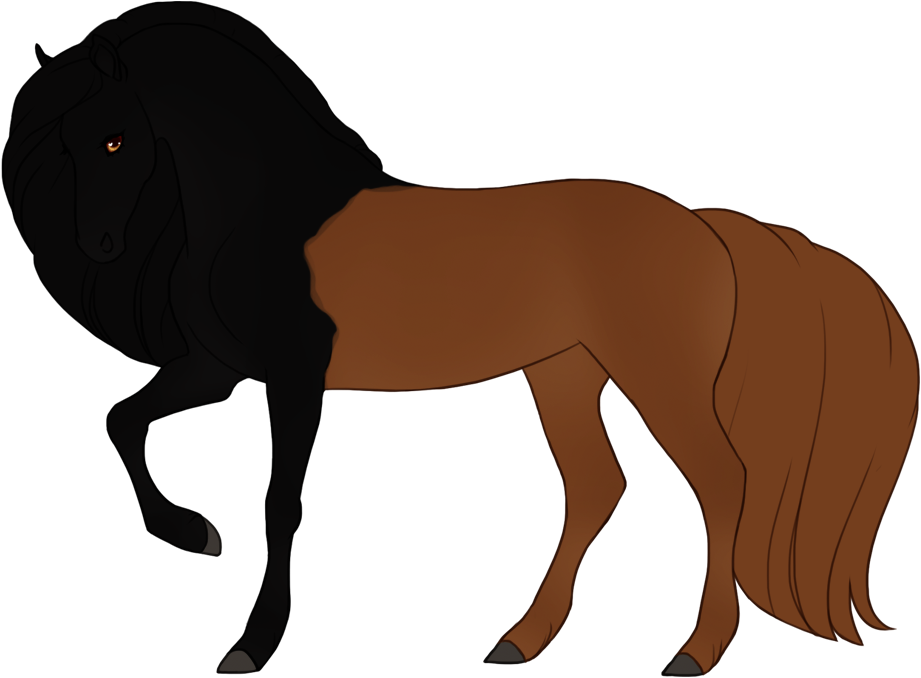
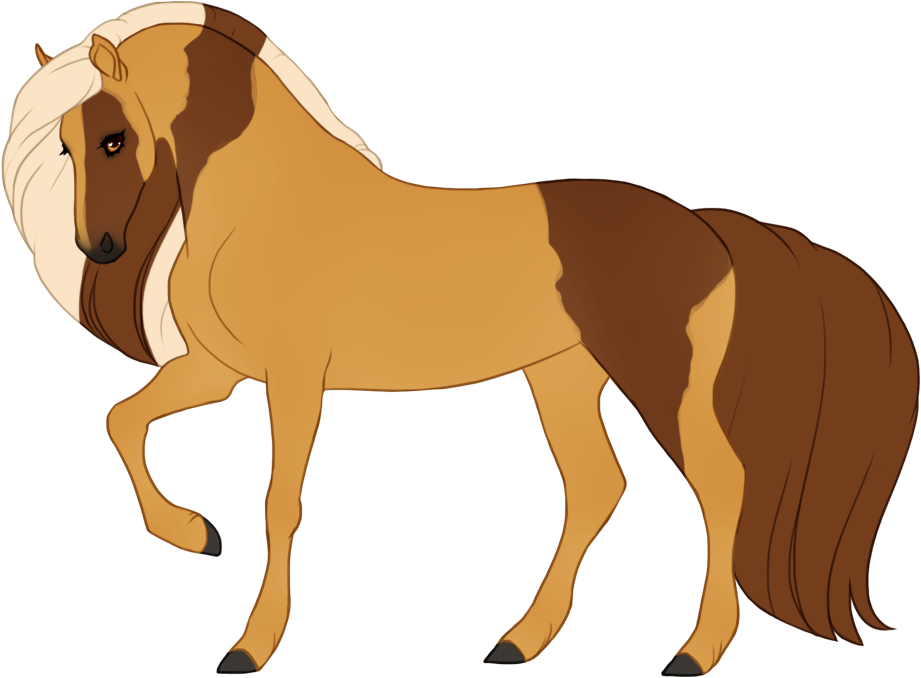
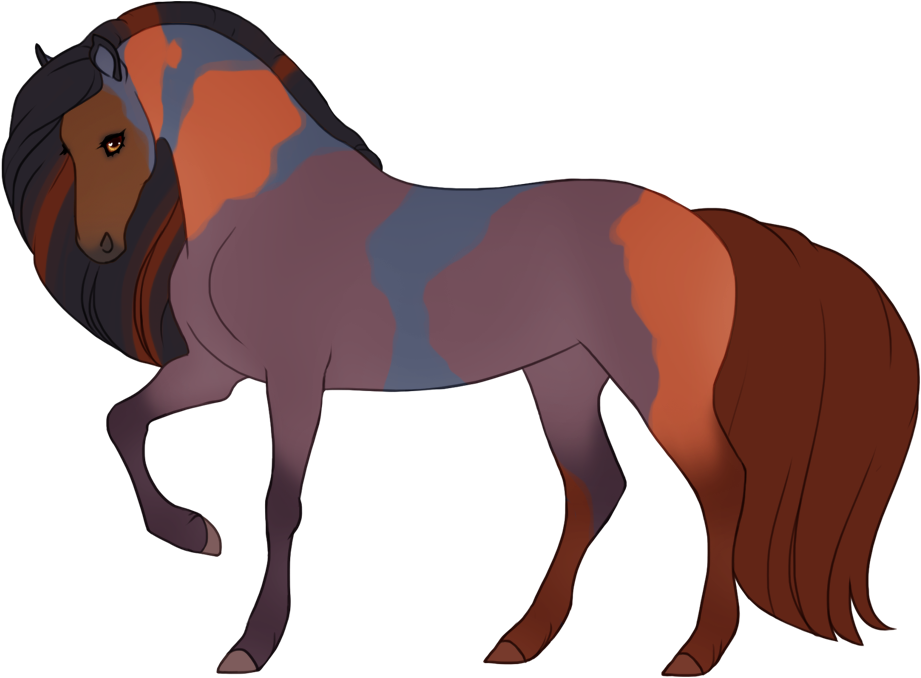
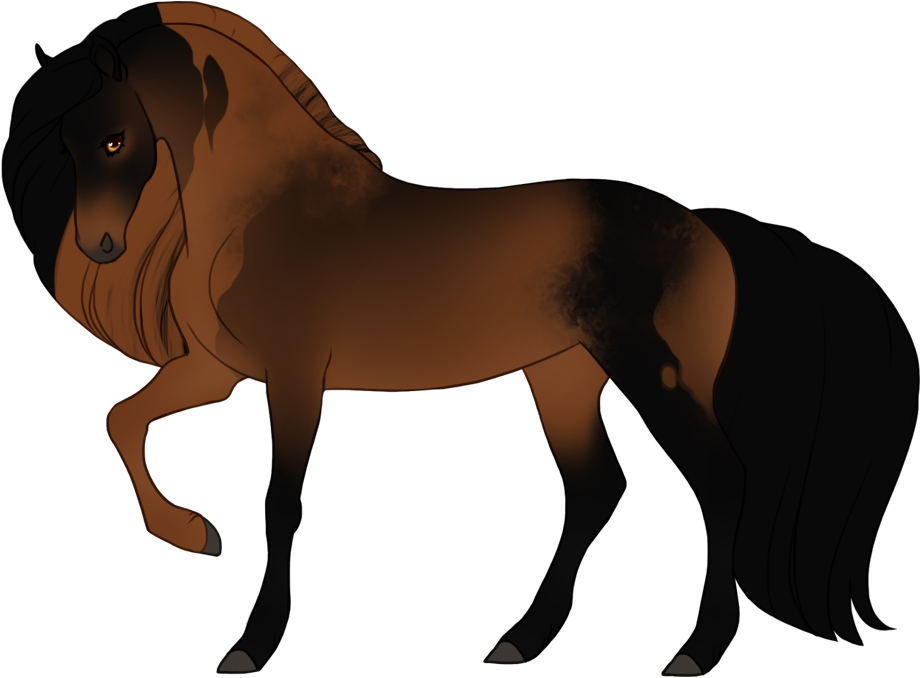
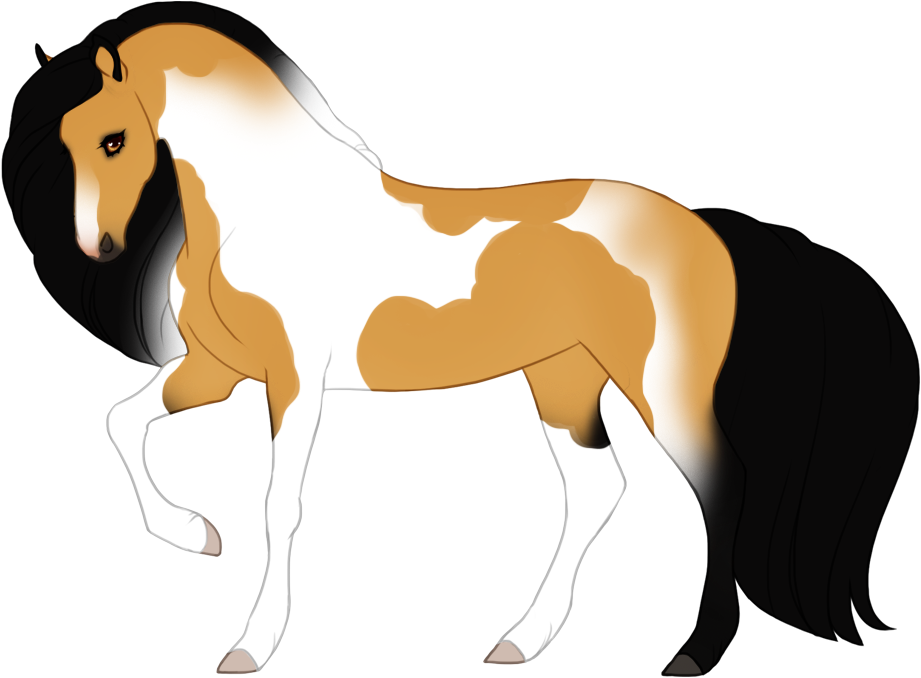
You are free to chose which genes are occluded, and to which degree. Multiple genes can be occluded at the same time, including the extension gene (EE, Ee, ee), which means a chestnut (ee) can have black spots, a black (Ee or EE) can have chestnut spots, and different bay variations can have occluded red pigment resulting in black areas, or occluded black pigment resulting in chestnut areas.
Essentially, occlusion only turns off genes (fully or partially), it doesn't turn on genes that aren't already present.
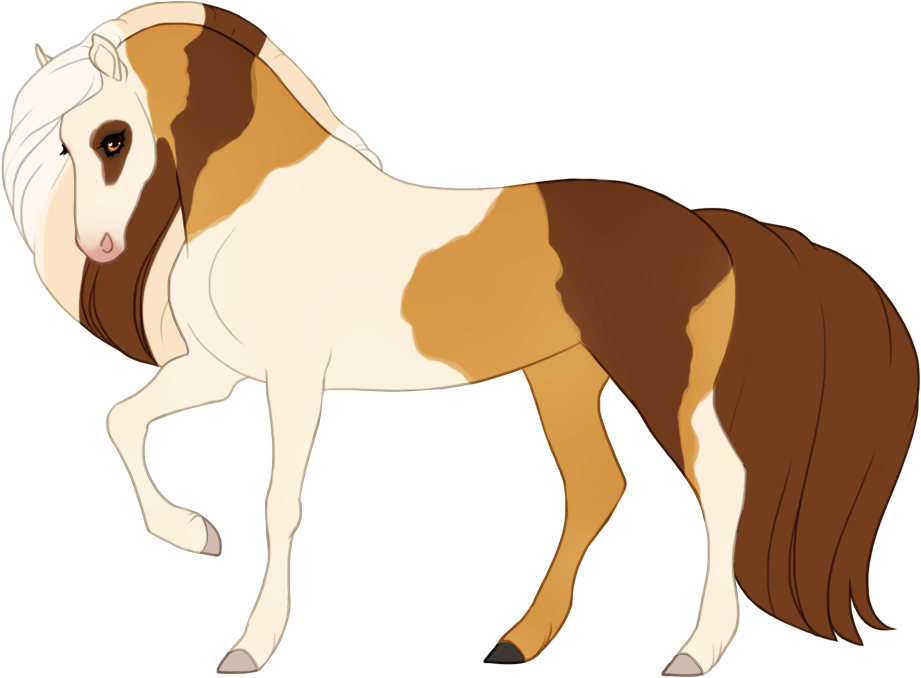
Areas where a gene was occluded will behave as if the gene was not there at all, for example a cremello which has blue eyes, pink skin and light hooves/horns will have brown eyes and dark skin, hooves and horns in areas where the cream was occluded.
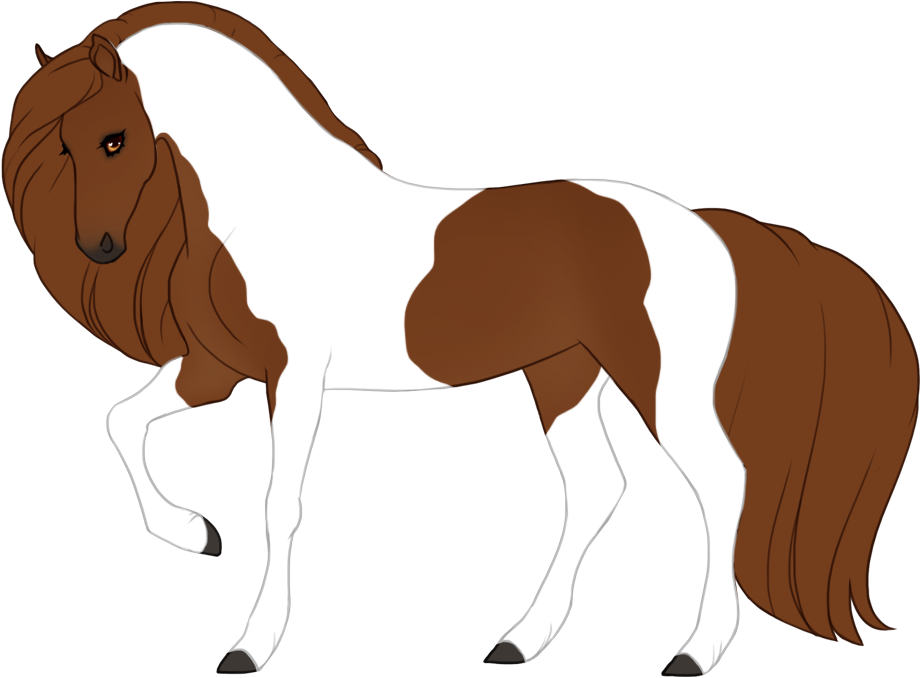
Occlusion can also optionally prevent white patterns from affecting mane, tail, horns and hooves where they touch.